
Does CBD actually help chronic pain or is it expensive placebo? We analyzed 40+ clinical trials examining cannabidiol for arthritis, fibromyalgia, and neuropathic pain. Here's what the science actually says about efficacy, dosing, and safety.
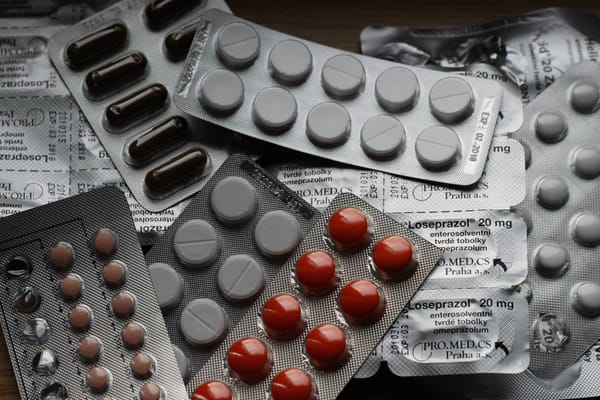
Low Dose Naltrexone (LDN) is gaining traction as an off-label treatment for fibromyalgia, with clinical studies showing 29% pain reduction and 65% of patients reporting benefits. We examine the mechanism, evidence, dosing protocols, and what patients actually experience.
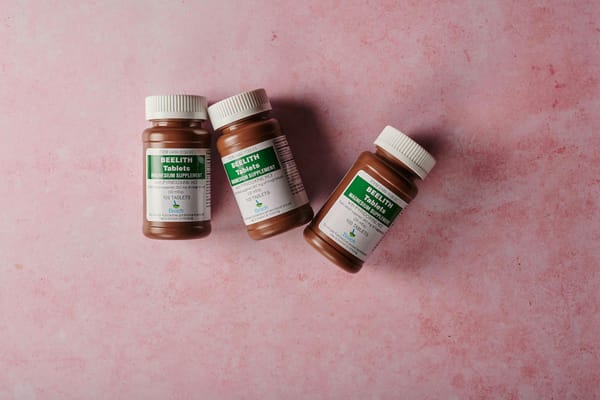
Magnesium is one of the most discussed supplements on Reddit for sleep, anxiety, and chronic pain. But does it actually work? We analyzed 40+ clinical studies to separate evidence from hype.
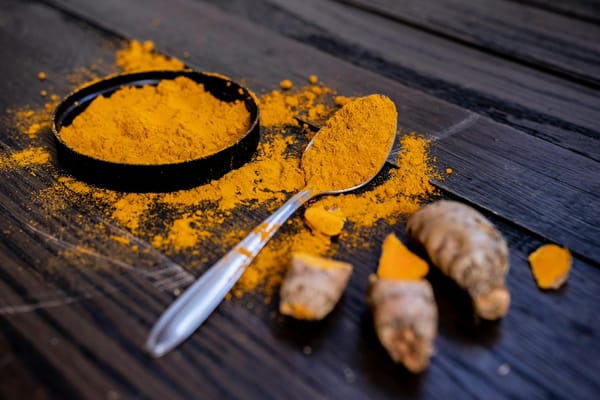
Reddit users constantly ask: Has turmeric actually helped anyone's joint pain? We analyzed 70+ clinical studies to find out. The results for osteoarthritis may surprise you—curcumin shows comparable efficacy to ibuprofen with fewer side effects. But bioavailability matters, and dosing is everything.

Reddit users keep asking what actually works for chronic migraine. New 2026 clinical data on CGRP inhibitors—including the SPACE trial published in NEJM—reveals transformative results for many patients, with 47% achieving 50% or greater reduction in monthly migraine days.
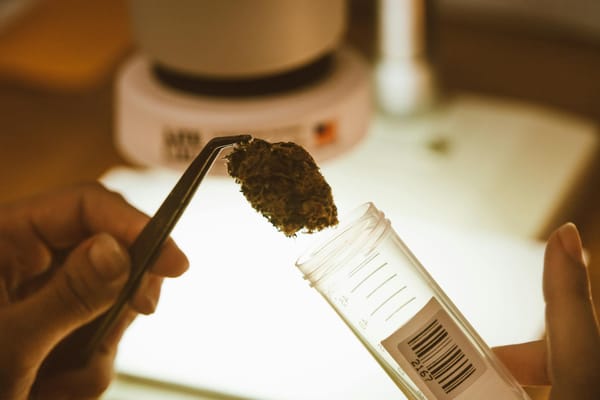
New 2026 clinical trials and systematic reviews reveal when cannabis actually works for chronic pain—and when it doesn't. For neuropathic and myofascial pain, evidence shows modest but real benefits. For fibromyalgia and osteoarthritis, results remain disappointing.

Reddit user asked: "Is omega-3 worth taking or just overhyped?" A comprehensive 2025 meta-analysis of 41 clinical trials with 3,759 participants provides evidence-based answers—with some surprising findings about dosage and which conditions actually benefit.

Could vitamin D deficiency be causing your chronic pain? A meta-analysis of 81 studies with 50,000+ participants reveals strong links between low vitamin D and musculoskeletal pain, with 86% of rheumatology patients showing deficiency.

A large-scale 2026 study of over 96,000 fibromyalgia patients found that GLP-1 receptor agonists—the drug class behind Ozempic and Wegovy—were associated with reduced opioid use and lower symptom burden. Here's what the clinical data actually shows.

A comprehensive review of the 2025 meta-analysis examining low dose naltrexone for fibromyalgia. Does LDN actually work for chronic pain? We break down 8 clinical trials, the TLR-4 mechanism, real effect sizes, and what patients should know before trying this off-label treatment.
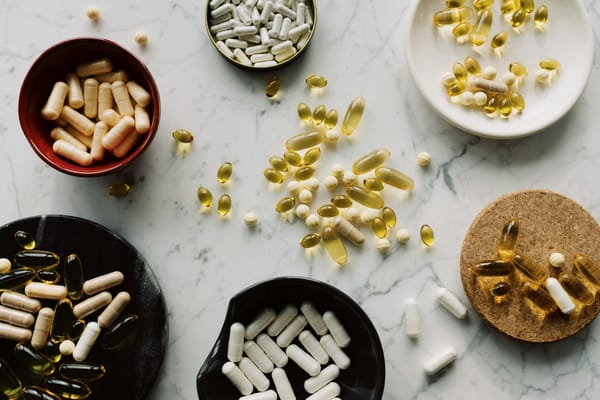
A 2023 meta-analysis of 11 RCTs and 774 patients reveals Palmitoylethanolamide (PEA) significantly reduces chronic pain with a large effect size. Is this the science-backed supplement fibromyalgia patients have been waiting for?
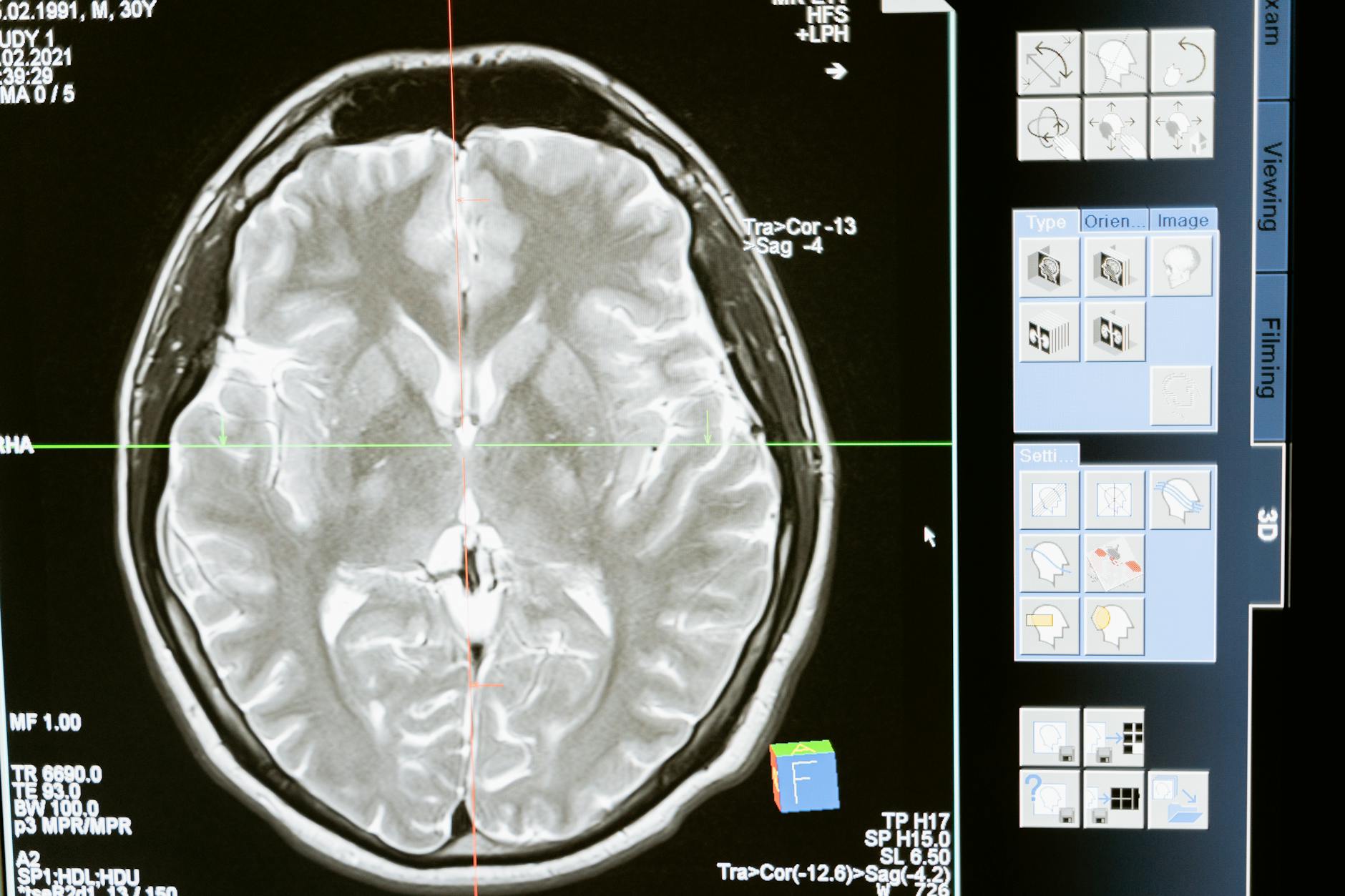
Central sensitization is when your nervous system turns up the volume on pain signals—but it's reversible. This science-based guide explains what central sensitization really is, why it happens, and evidence-based treatments that can help rewire your pain system.