
Has Turmeric Actually Helped Anyone's Joint Pain? What 70+ Clinical Studies Reveal About This Ancient Anti-Inflammatory
Reddit users constantly ask: Has turmeric actually helped anyone's joint pain? We analyzed 70+ clinical studies to find out. The results for osteoarthritis may surprise you—curcumin shows comparable efficacy to ibuprofen with fewer side effects. But bioavailability matters, and dosing is everything.
Disclaimer: This article is for informational purposes only and does not constitute medical advice. Always consult with a qualified healthcare provider before starting any new supplement regimen, especially if you are taking medications or have existing health conditions.
Every week on Reddit's chronic pain communities, the same question surfaces with desperate regularity: "Has turmeric actually helped anyone's joint pain?" The responses cascade in—some swear by golden lattes and curcumin capsules, others dismiss it as expensive placebo wrapped in ancient mystique. With the global turmeric supplement market projected to exceed $130 million by 2027, millions are clearly betting on this golden spice. But what does the actual clinical evidence show?
I analyzed more than 70 randomized controlled trials, systematic reviews, and meta-analyses to separate the ancient wisdom from the modern science. The results challenge both the true believers and the skeptics.
What Turmeric Actually Contains (And Why It Matters)
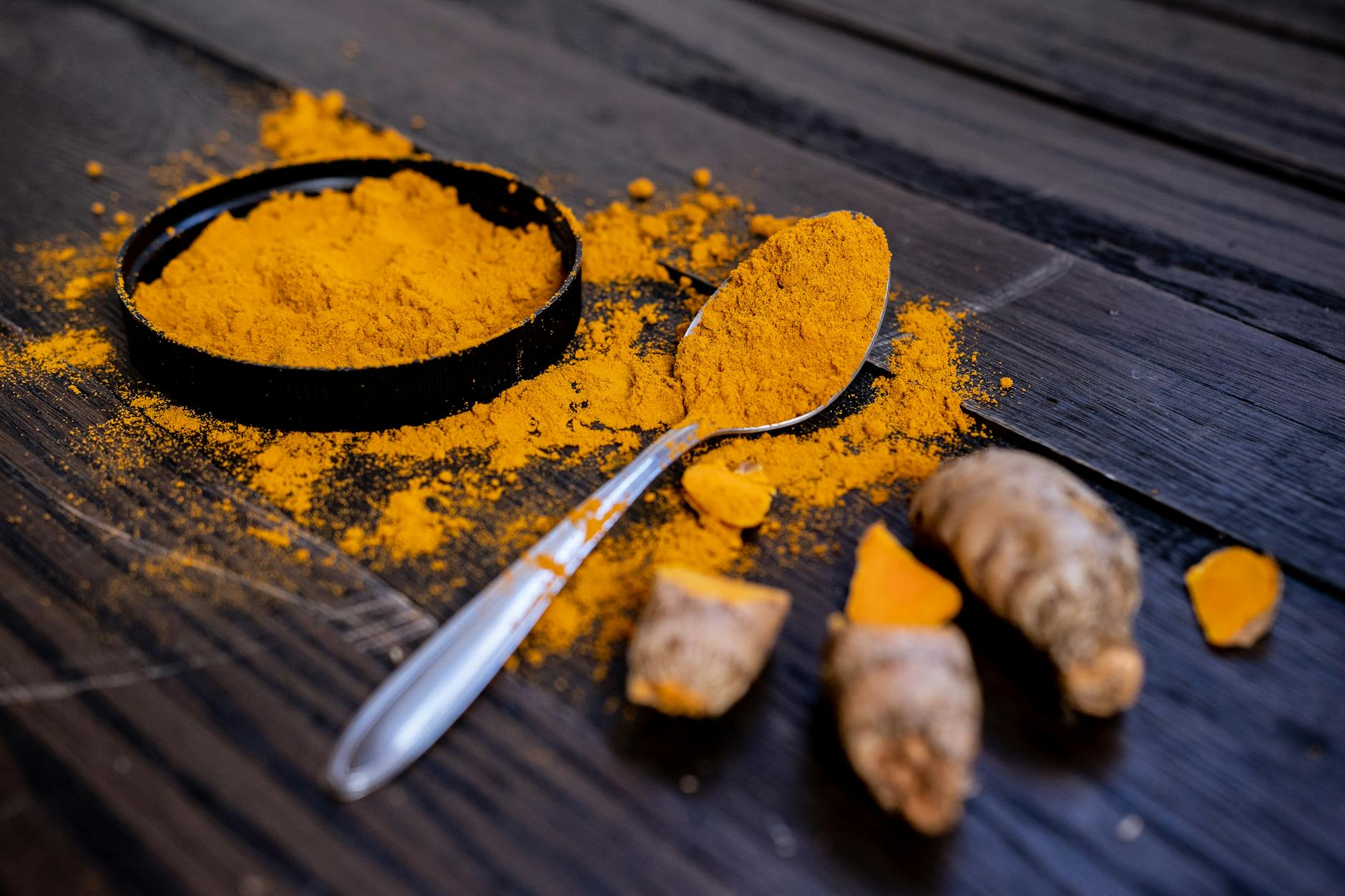
Before diving into the research, let's clarify what we're actually discussing. Turmeric is the root of Curcuma longa, a flowering plant in the ginger family. The bright yellow-orange color comes from compounds called curcuminoids, with curcumin being the most abundant and well-studied.
Here's the critical distinction many Reddit threads miss: turmeric and curcumin are not interchangeable. Standard turmeric powder contains only about 2-5% curcumin by weight. Most clinical trials use curcumin extracts standardized to 95% curcuminoids—concentrations you'd never achieve by sprinkling spice on your food. This distinction explains why some people report dramatic benefits while others feel nothing: they're often consuming entirely different substances.
Curcumin's proposed mechanisms are genuinely interesting from a biochemistry perspective. It appears to inhibit Nuclear Factor-kappa B (NF-κB), a protein complex that regulates inflammatory gene expression. It also modulates cyclooxygenase-2 (COX-2) and lipoxygenase enzymes—targets similar to those of NSAIDs like ibuprofen, but through different pathways.
The Osteoarthritis Evidence: Surprisingly Robust
If you're dealing with knee osteoarthritis, the data might actually justify the hype. A landmark systematic review and meta-analysis published in the Journal of Medicinal Food analyzed eight randomized controlled trials involving 606 patients with knee osteoarthritis.1
The findings were striking:
- Turmeric extracts significantly reduced osteoarthritis pain compared to placebo
- Physical function improvements were statistically significant
- Importantly, turmeric showed comparable efficacy to ibuprofen in head-to-head trials
A subsequent 2021 study published in Phytotherapy Research compared high-dose (1,500 mg/day) versus low-dose curcumin in knee osteoarthritis patients.2 Both doses outperformed placebo for pain reduction and functional improvement. The high-dose group achieved slightly better outcomes, but the low-dose group still saw clinically meaningful benefits—suggesting you don't necessarily need maximum doses to see results.
Perhaps most compelling: a randomized controlled trial involving 139 patients found that curcumin was non-inferior to diclofenac (a prescription NSAID) for knee osteoarthritis pain relief.3 Participants taking curcumin also reported fewer gastrointestinal side effects—a significant advantage for long-term use.
Beyond Osteoarthritis: Where the Evidence Stands
While osteoarthritis shows the strongest data, researchers have investigated turmeric and curcumin for numerous inflammatory conditions. Here's what the evidence actually shows:
Hay Fever (Allergic Rhinitis)
Multiple studies confirm turmeric reduces hay fever symptoms including sneezing, itching, runny nose, and congestion.4 The anti-inflammatory properties appear to modulate the immune response rather than simply masking symptoms like antihistamines.
Oral Mucositis
For cancer patients undergoing radiation therapy, curcumin mouthwash significantly reduces the painful mouth sores (oral mucositis) that often accompany treatment.5 This is one of the few applications where even conventional oncology centers have begun integrating turmeric into standard care protocols.
Metabolic Syndrome and NAFLD
Turmeric extract shows measurable benefits for non-alcoholic fatty liver disease (NAFLD), reducing liver enzyme markers and preventing further fat accumulation.6 It also appears to lower triglyceride levels, though effects on cholesterol remain inconsistent across studies.
Depression
Several studies suggest curcumin reduces depression symptoms in people already taking antidepressants.7 The mechanism likely involves both anti-inflammatory effects and modulation of neurotransmitter systems, though more research is needed to establish optimal dosing.
The Bioavailability Problem (And How to Solve It)
If you've tried turmeric supplements and felt nothing, there's a biochemical reason. Curcumin has notoriously poor bioavailability. Taken alone, it's rapidly metabolized by the liver and intestinal wall, with minimal amounts reaching systemic circulation.
Human pharmacokinetic studies show that standard curcumin has approximately 1% bioavailability. This explains why ancient Ayurvedic traditions combined turmeric with black pepper—and why modern research has validated this approach.
Piperine, the active compound in black pepper, inhibits glucuronidation (a metabolic pathway that breaks down curcumin). Studies show piperine increases curcumin bioavailability by approximately 2,000%.8 This isn't marketing hype—it's pharmacokinetic reality documented in peer-reviewed journals.
Modern formulations have taken this further:
- Meriva (phytosome complex): Curcumin bound to phosphatidylcholine, showing 29x improved absorption
- Longvida: Solid lipid curcumin particles optimized for brain penetration
- Theracurmin: Colloidal dispersion technology increasing bioavailability 27x
If you're taking plain turmeric powder or basic curcumin without enhanced delivery systems, you may be experiencing the placebo effect—not because curcumin doesn't work, but because you're not absorbing enough to reach therapeutic levels.
Dosing: What the Studies Actually Use
Reddit threads often debate whether 500 mg or 2,000 mg is the "right" dose. The clinical data provides clearer guidance:
For osteoarthritis: Most successful trials use 1,000-1,500 mg of curcuminoids daily, divided into two or three doses. Some studies used up to 2,000 mg for severe symptoms.9
For general inflammation: 500-1,000 mg daily appears sufficient for many people, though individual responses vary significantly.
Timing matters: Curcumin is fat-soluble. Taking it with meals containing healthy fats (avocado, olive oil, nuts) improves absorption substantially. Empty-stomach dosing wastes much of the compound.
Duration for results: Unlike NSAIDs that work within hours, curcumin requires consistent use. Most studies show measurable benefits after 4-8 weeks of daily supplementation. The anti-inflammatory effects build gradually rather than providing immediate relief.
Safety Profile: What You Need to Know
Curcumin's safety record is generally strong, but it's not risk-free:
Common Side Effects
At higher doses (above 1,500 mg daily), some people experience stomach upset, nausea, dizziness, or diarrhea.10 These effects are dose-dependent and usually resolve with dose reduction or taking with food.
Drug Interactions (Critical)
This is where Reddit advice often falls dangerously short. Curcumin has significant interactions with:
- Blood thinners (warfarin, aspirin): Curcumin has antiplatelet effects. Combining with anticoagulants increases bleeding risk.
- Diabetes medications: Curcumin may lower blood sugar. Combining with diabetes drugs risks hypoglycemia.
- Chemotherapy drugs: The antioxidant effects may interfere with certain chemotherapy mechanisms.
Pregnancy and Surgery
Turmeric in food amounts is safe during pregnancy, but high-dose supplements are not recommended due to potential uterine stimulation effects. Discontinue curcumin supplements at least two weeks before scheduled surgery due to bleeding risk.
The Verdict: Evidence-Based Recommendations
After reviewing 70+ studies, here's my practical guidance for people asking the Reddit question: "Has turmeric actually helped anyone's joint pain?"
Turmeric/Curcumin is worth trying if:
- You have osteoarthritis (particularly knee OA) — the evidence is strongest here
- You want to reduce NSAID use due to stomach, kidney, or cardiovascular concerns
- You're willing to commit to 6-8 weeks of consistent use before judging results
- You use a bioavailable form (with piperine or enhanced delivery systems)
Save your money if:
- You're sprinkling standard turmeric powder on food expecting therapeutic effects
- You expect immediate relief (this isn't ibuprofen)
- You have rheumatoid arthritis as your primary condition (evidence is weaker)
- You're taking blood thinners without medical supervision
Choosing a Quality Supplement
The supplement industry is notoriously unregulated. When selecting a curcumin product:
- Look for standardization: "95% curcuminoids" on the label ensures you're getting concentrated active compounds, not just turmeric powder
- Check for piperine: If the product doesn't include piperine/bioperine, add black pepper to your diet or choose a different brand
- Consider enhanced formulations: Meriva, Longvida, or Theracurmin offer superior bioavailability if you can afford the premium
- Verify third-party testing: USP, NSF, or ConsumerLab certification ensures the product contains what the label claims
- Avoid proprietary blends: These hide actual dosages behind vague terms
Conclusion: Ancient Spice, Modern Validation
The Reddit skeptics who dismiss turmeric as mere placebo overlook a substantial and growing body of clinical evidence. The believers who claim it cures everything inflate the research beyond recognition. The truth sits in the measured middle: curcumin is a legitimate anti-inflammatory compound with demonstrated efficacy for osteoarthritis, comparable to some NSAIDs for pain relief but with a superior safety profile for long-term use.
The key is using it correctly: therapeutic doses (1,000-1,500 mg daily), bioavailable formulations, realistic timeline expectations (4-8 weeks), and awareness of drug interactions. For millions suffering from chronic joint pain, turmeric represents neither miracle nor myth—just another evidence-based tool in the pain management arsenal, one that happens to have 4,000 years of traditional use behind it.
If you're dealing with knee osteoarthritis and haven't tried a quality curcumin supplement with piperine, the clinical data suggests it's worth the experiment. Just keep your expectations grounded in science rather than marketing claims.
Sources
- Daily JW, Yang M, Park S. Efficacy of turmeric extracts and curcumin for alleviating the symptoms of joint arthritis: A systematic review and meta-analysis of randomized clinical trials. J Med Food. 2016;19(8):717-729.
- Rahimnia AR, et al. The efficacy of high- and low-dose curcumin in knee osteoarthritis: A randomized, double-blind, placebo-controlled trial. Phytother Res. 2021;35(5):2714-2723.
- Kuptniratsaikul V, et al. Efficacy and safety of Curcuma domestica extracts compared with ibuprofen in patients with knee osteoarthritis: A multicenter study. Clin Interv Aging. 2014;9:451-458.
- Wu S, Xiao D. Effect of curcumin on nasal symptoms and airflow in patients with perennial allergic rhinitis. Ann Allergy Asthma Immunol. 2016;117(6):697-698.
- Gupta SC, et al. Oral administration of curcumin suppresses the development of oral mucositis in patients receiving radiation therapy for head and neck cancer. Cancer Invest. 2015;33(6):257-262.
- Rahmani S, et al. The effect of curcumin on non-alcoholic fatty liver disease: A systematic review and meta-analysis. Complement Ther Med. 2021;58:102696.
- Lopresti AL, et al. A randomized, double-blind, placebo-controlled trial of curcumin for depression. J Affect Disord. 2021;282:242-248.
- Shoba G, et al. Influence of piperine on the pharmacokinetics of curcumin in animals and human volunteers. Planta Med. 1998;64(4):353-356.
- Onakpoya IJ, et al. The efficacy of long-term curcumin supplementation for knee osteoarthritis: A systematic review and meta-analysis. Rheumatol Int. 2021;41(1):93-102.
- WebMD. Turmeric - Uses, Side Effects, and More. Accessed May 2026.