
"High CRP and Alarming Symptoms… How Worried Should I Be?" What Your Inflammation Markers Actually Mean
A 21-year-old on Reddit recently posted about severe fatigue, aches, brain fog, and high CRP levels—asking how worried she should be. Here's what the scientific research actually says about elevated C-reactive protein and when to worry.
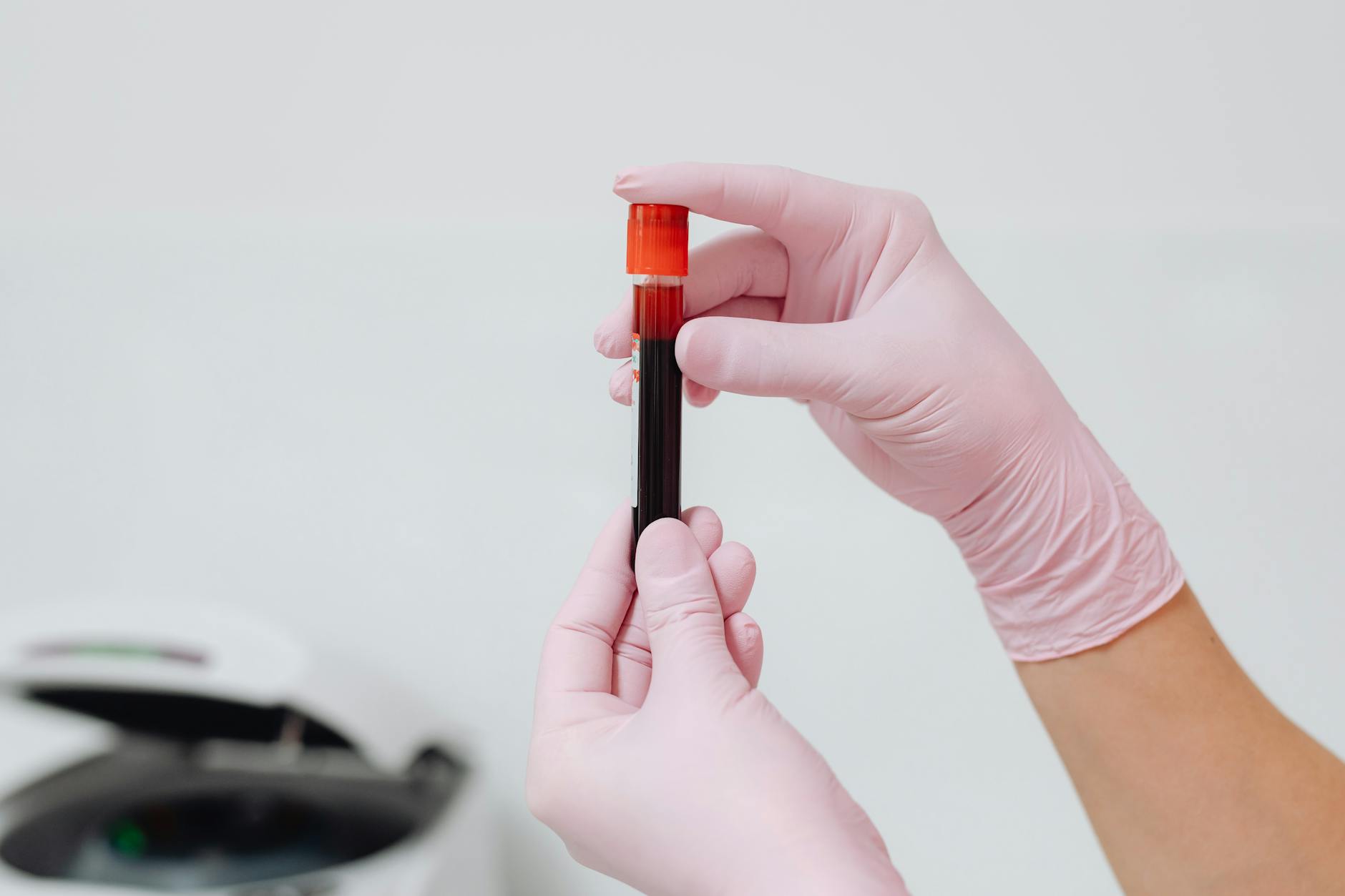
A 21-year-old on Reddit recently posted: severe fatigue, aches, brain fog, weight loss, and night itching—plus a high CRP result. The comments ranged from "it's cancer" to "it's nothing." Here's what the research actually says about elevated inflammation markers and when to worry.
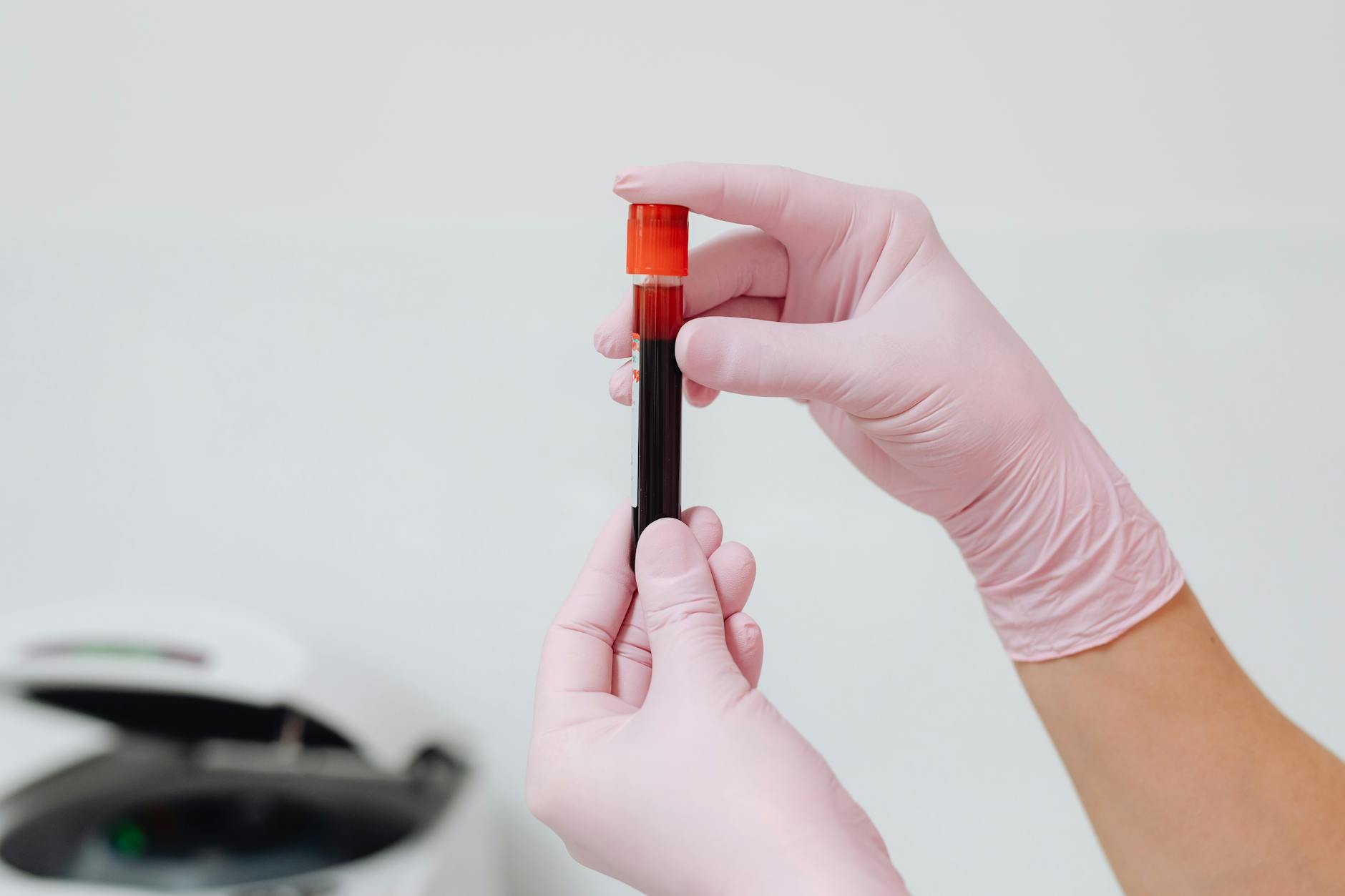
The Reddit Post That Captures a Common Fear
"I'm a 21 y.o. female and have been experiencing severe fatigue, aches and pain all over, brain fog, fluctuating bowel patterns, weight loss due to becoming full very quickly, itchiness at night, pale skin, stiff joints, and so much more for months. My CRP came back high. How worried should I be?"
This post from r/AskDocs struck a chord. It received dozens of responses—some reassuring, others terrifying. The problem? Most were anecdotes. "My CRP was 50 and it turned out to be lupus." "Mine was high and it was just a cold." "CRP doesn't mean anything without other tests." All of these contain partial truths, but none give the full picture.
If you've ever opened your patient portal and seen a flagged CRP result, you've probably felt that same spike of anxiety. What does this number actually mean? Is your body attacking itself? Is this the first clue of something serious? Or is it as meaningless as having a temporarily elevated heart rate after climbing stairs?
What CRP Actually Measures (And What It Doesn't)
C-reactive protein is a pentameric protein synthesized in your liver. When your body detects inflammation—whether from infection, injury, or autoimmune activity—the liver ramps up CRP production within 6-8 hours. Peak levels occur around 48 hours after the inflammatory trigger. This makes CRP an acute phase reactant, part of your body's rapid-response team.
Here's what most patients don't realize: CRP tells you that inflammation is present. It tells you virtually nothing about where it is or why it's happening. It's like a fire alarm that goes off whether there's a grease fire in the kitchen or a forest fire approaching the neighborhood. Both require different responses.
According to research published in the Journal of Clinical Medicine, CRP levels in healthy adults typically range from 0.8 mg/L to 3.0 mg/L.1 But "healthy" varies by lab, by assay method, and by individual baseline. One person's normal might be 0.5 mg/L; another's might be 2.5 mg/L consistently without any disease process.
Reading Your CRP Results: The Categories That Matter
Laboratories generally classify CRP levels into risk tiers. Understanding these tiers is essential for proper interpretation:
Less than 0.3 mg/dL (3 mg/L): Considered normal. Most healthy adults fall here.
0.3 to 1.0 mg/dL (3-10 mg/L): Normal or minor elevation. This range can reflect obesity, pregnancy, depression, diabetes, recent colds, sedentary lifestyle, or even high stress. A value of 5 mg/L in someone overweight who just recovered from a respiratory infection? Often not clinically significant.
1.0 to 10.0 mg/dL (10-100 mg/L): Moderate elevation. This is where things get interesting. Levels in this range suggest active inflammation from autoimmune conditions (rheumatoid arthritis, lupus), recent heart attack, pancreatitis, or significant infections. A CRP of 15 mg/L in someone with joint pain and morning stiffness? Rheumatologists start paying attention.
Above 10.0 mg/dL (100 mg/L): Marked elevation. Now we're looking at acute bacterial infections, viral infections, systemic vasculitis, or major trauma. Levels above 50 mg/dL typically indicate severe bacterial infections requiring immediate intervention.
The 21-year-old Redditor didn't specify her exact CRP value. This matters enormously. A CRP of 8 mg/L with her symptom cluster suggests a different workup than a CRP of 80 mg/L.
The Symptoms-CRP Connection: Pattern Recognition vs. Panic
Let's break down her symptom cluster through a clinical lens—not to diagnose, but to understand what patterns emerge when CRP elevation meets specific complaints.
Severe Fatigue + High CRP
Fatigue accompanies elevated CRP in dozens of conditions. Infections (viral and bacterial), autoimmune diseases, inflammatory bowel disease, and even cardiovascular disease all present with this combination. A 2024 study in PLOS ONE found that patients with CRP above 10 mg/L were 3.2 times more likely to report severe fatigue than those with normal levels—but the cause varied widely.2
Here's the key: fatigue with high CRP that persists beyond 2-3 weeks warrants investigation. Acute infections usually show improvement in that window. Chronic elevation demands answers.
Diffuse Aches and Stiff Joints
This pattern screams inflammatory process. When CRP elevation meets joint involvement, rheumatologists think of rheumatoid arthritis, lupus, psoriatic arthritis, or ankylosing spondylitis. But viral infections like parvovirus B19, hepatitis, and even post-COVID syndromes can produce identical pictures.
The timing matters. Inflammatory arthritis typically features morning stiffness lasting more than 30 minutes, improving with movement. Viral arthralgias often worsen with activity. These nuances guide clinicians toward the right tests.
Brain Fog + Gastrointestinal Symptoms
This combination has gained attention in recent years for good reason. The gut-brain axis—the bidirectional communication between your digestive system and central nervous system—means inflammation in one often reflects inflammation in the other.
Conditions like celiac disease, inflammatory bowel disease, and even small intestinal bacterial overgrowth (SIBO) can elevate CRP while causing both cognitive symptoms and GI distress. A study in Gastroenterology found that 34% of IBD patients with active disease had CRP levels above 10 mg/L, and 67% reported significant cognitive impairment.3
Night Itching + Pale Skin
These symptoms deserve special attention. Nighttime pruritus (itching) combined with pallor and unexplained weight loss raises different flags than joint pain alone. Hematologic conditions, liver dysfunction, and kidney disease can all present with this triad while elevating CRP.
This doesn't mean panic. It means these specific symptoms narrow the differential diagnosis and guide which follow-up tests are most appropriate.
The Conditions That Elevate CRP: A Practical Breakdown
When patients see "high CRP" on their results, their minds often jump to worst-case scenarios. Understanding the full spectrum of CRP-elevating conditions provides necessary context.
Infections: The Most Common Culprit
Bacterial infections typically drive CRP above 50 mg/L. Viral infections usually cause more modest elevations (10-40 mg/L), though notable exceptions exist. COVID-19, for instance, frequently produces CRP levels between 20-100 mg/L in hospitalized patients.
Importantly, CRP rises before symptoms peak and falls before you feel fully recovered. A CRP of 15 mg/L three days into a confirmed viral illness? Expected. That same level six weeks later? Concerning.
Autoimmune Diseases
Rheumatoid arthritis, lupus, vasculitis, and inflammatory bowel disease all feature CRP elevation during active disease phases. In these conditions, CRP serves double duty—diagnostic assistance and treatment monitoring.
Rheumatologists often track CRP trends more than absolute values. A lupus patient whose CRP drops from 25 mg/L to 8 mg/L after medication changes is responding, even if 8 mg/L is technically "elevated."
Cardiovascular Disease
This surprises many patients. Heart disease isn't just about cholesterol—it's also about inflammation. The high-sensitivity CRP test (hs-CRP) specifically assesses cardiovascular risk in apparently healthy people.
The American Heart Association identifies three risk categories:4
- Low risk: hs-CRP less than 1.0 mg/L
- Moderate risk: 1.0 to 3.0 mg/L
- High risk: above 3.0 mg/L
A smoker with high blood pressure and an hs-CRP of 4 mg/L faces substantially higher cardiac risk than someone with identical demographics and hs-CRP of 0.5 mg/L. This is why some cardiologists order CRP even without symptoms—it reveals hidden inflammation affecting arterial walls.
Cancer
Here's where patient anxiety often centers. Yes, some cancers elevate CRP. Hematologic malignancies (lymphomas, leukemias), metastatic solid tumors, and cancers causing tissue destruction can all drive inflammation markers upward.
But CRP is neither sensitive nor specific for cancer. Most elevated CRP results do not indicate malignancy. The presence of "B symptoms" (unexplained weight loss, night sweats, fevers) alongside very high CRP raises suspicion, but imaging and biopsy—not blood tests—provide diagnosis.
Lifestyle Factors
Obesity increases CRP. Period. Adipose tissue produces inflammatory cytokines, and CRP rises proportionally with BMI. A person with obesity might have a baseline CRP of 5-8 mg/L without any disease process.
Smoking elevates CRP. Poor sleep elevates CRP. Chronic stress elevates CRP. Even intense exercise temporarily spikes CRP. These factors don't negate elevated results, but they must be considered in interpretation.
When to Worry: Red Flags That Demand Action
Not every elevated CRP requires urgent investigation. But certain patterns should prompt immediate medical attention:
CRP above 100 mg/L with fever: This combination suggests serious bacterial infection, sepsis risk, or acute inflammatory crisis. Emergency department evaluation is appropriate.
CRP elevation with unexplained weight loss exceeding 10% of body weight: Particularly if accompanied by night sweats, this warrants comprehensive workup including imaging.
Rapidly rising CRP on serial testing: A CRP that jumps from 5 mg/L to 50 mg/L over days indicates escalating inflammation requiring urgent diagnosis.
CRP elevation with specific organ symptoms: Chest pain with high CRP (possible myocarditis), severe abdominal pain with high CRP (possible appendicitis, diverticulitis), or neurologic symptoms with high CRP (possible meningitis, encephalitis).
Persistent elevation beyond 4-6 weeks: Without clear cause, chronic CRP elevation demands rheumatology or internal medicine referral.
The Follow-Up Tests That Actually Matter
CRP is a starting point, not an endpoint. When results are elevated, these additional investigations help identify cause:
The ESR (Erythrocyte Sedimentation Rate)
Another inflammation marker, ESR rises more slowly than CRP and falls more slowly. Together, they provide temporal information. High CRP with normal ESR suggests recent onset. High ESR with normal CRP suggests older, chronic inflammation.
Complete Blood Count (CBC)
Looks for anemia, elevated white blood cells (infection), or abnormal cell counts (hematologic disorders). A high CRP with high white count suggests infection. High CRP with normal white count suggests non-infectious inflammation.
Complete Metabolic Panel (CMP)
Evaluates liver and kidney function, both of which affect CRP production and clearance. Also reveals electrolyte abnormalities that might explain symptoms.
Autoimmune Panels
ANA (antinuclear antibodies), rheumatoid factor, anti-CCP antibodies, and specific tests for lupus, Sjögren's syndrome, or other connective tissue diseases when symptoms suggest autoimmune processes.
Ferritin and Iron Studies
Iron deficiency and anemia of chronic disease both elevate CRP and cause fatigue. Ferritin itself is an acute phase reactant, so interpretation requires nuance.
Thyroid Function
Hypothyroidism causes fatigue, weight gain, and can elevate CRP. TSH and free T4 testing is inexpensive and often revealing.
Imaging When Indicated
Chest X-ray for respiratory symptoms, abdominal CT for GI complaints, or joint imaging for musculoskeletal symptoms. CRP doesn't replace imaging—it guides whether imaging is necessary.
How to Lower CRP: Evidence-Based Approaches
If your CRP is elevated, addressing the underlying cause is paramount. But lifestyle modifications can meaningfully impact inflammation levels:
Exercise (But Not Too Much)
Regular moderate exercise reduces baseline CRP. However, extreme endurance exercise temporarily spikes CRP for days. The sweet spot? 150 minutes weekly of moderate activity (brisk walking, cycling, swimming) combined with twice-weekly resistance training.
Dietary Changes
The Mediterranean diet consistently shows CRP-lowering effects in clinical trials. Emphasis on fatty fish (omega-3s), olive oil, nuts, vegetables, and limited processed foods reduces inflammatory markers by 15-30% over 3-6 months.5
Specific nutrients with evidence for CRP reduction include:
- Omega-3 fatty acids (2-4g daily)
- Vitamin D (if deficient)
- Magnesium (if deficient)
- Curcumin (500-1000mg daily of bioavailable forms)
Weight Management
Weight loss of 5-10% body weight produces measurable CRP reduction in overweight individuals. Even without reaching "ideal" weight, this modest reduction significantly impacts inflammation.
Sleep Optimization
Poor sleep elevates CRP within days. Prioritizing 7-9 hours of quality sleep, maintaining consistent sleep schedules, and treating sleep apnea if present all contribute to lower inflammation.
Smoking Cessation
Smokers have CRP levels 40-60% higher than non-smokers. Quitting produces measurable reductions within weeks.
Answering the Original Question: How Worried Should She Be?
Back to that 21-year-old Redditor. Severe fatigue, diffuse pain, brain fog, GI symptoms, night itching, pale skin, weight loss, and elevated CRP. Is this "it's probably nothing" or "this needs immediate attention"?
Neither extreme is correct. This symptom cluster, particularly with weight loss and night symptoms, warrants prompt—but not necessarily emergency—medical evaluation. The appropriate response is comprehensive blood work (CBC, CMP, thyroid, iron studies, autoimmune panel) and likely referral to rheumatology or internal medicine.
The CRP elevation is a clue, not a verdict. It signals that her body is fighting something, but the list of possibilities remains broad: autoimmune disease, chronic infection, inflammatory bowel condition, or hematologic issue. The weight loss and night itching specifically narrow this differential.
Is cancer possible? Yes. Is it probable? Without more information, statistics favor benign inflammatory conditions in a 21-year-old. But statistics don't diagnose individuals—thorough evaluation does.
The Bottom Line on CRP
C-reactive protein is a valuable but limited tool. It tells you inflammation exists. It doesn't tell you why. It helps track treatment response. It doesn't replace clinical judgment.
If your CRP is elevated, avoid the twin traps of dismissal and catastrophizing. A slightly elevated result in an otherwise healthy person often reflects lifestyle factors correctable over months. A significantly elevated result with concerning symptoms demands systematic investigation.
The 21-year-old who posted on Reddit did exactly what she should—she sought information while waiting for medical follow-up. Her symptoms warrant attention. Her CRP warrants explanation. With proper evaluation, most patients with elevated CRP receive answers and effective treatment.
Important Disclaimer: This article is for informational purposes only and does not constitute medical advice. CRP interpretation requires clinical context, and elevated results should be discussed with a healthcare provider. Never delay seeking medical care based on information from this or any other online source. If you have symptoms causing concern—unexplained weight loss, persistent fever, severe pain, or rapidly worsening condition—seek immediate medical attention.
Sources
- Role of C-reactive protein in disease progression, diagnosis and management in various medical conditions — PMC, National Library of Medicine
- Association of C-reactive protein with fatigue: systematic review and meta-analysis — PLOS ONE, 2024
- Cognitive impairment in inflammatory bowel disease: pathophysiology and clinical implications — Gastroenterology
- American Heart Association Guidelines on Cardiovascular Risk Assessment — AHA Scientific Statements
- Mediterranean diet and inflammatory markers: systematic review and meta-analysis — Current Opinion in Clinical Nutrition & Metabolic Care