
"Does Rhodiola Rosea Actually Help With Fatigue and Stress?" What 11 Clinical Studies Reveal About This Arctic Adaptogen
Does Rhodiola rosea actually help with fatigue and stress? A systematic review of 11 clinical trials reveals the evidence behind this popular Arctic adaptogen—who benefits, optimal dosing, and what to realistically expect.
Disclaimer: This article is for informational purposes only and does not constitute medical advice. Always consult with a qualified healthcare provider before starting any new supplement regimen, especially if you have existing health conditions or take medications.
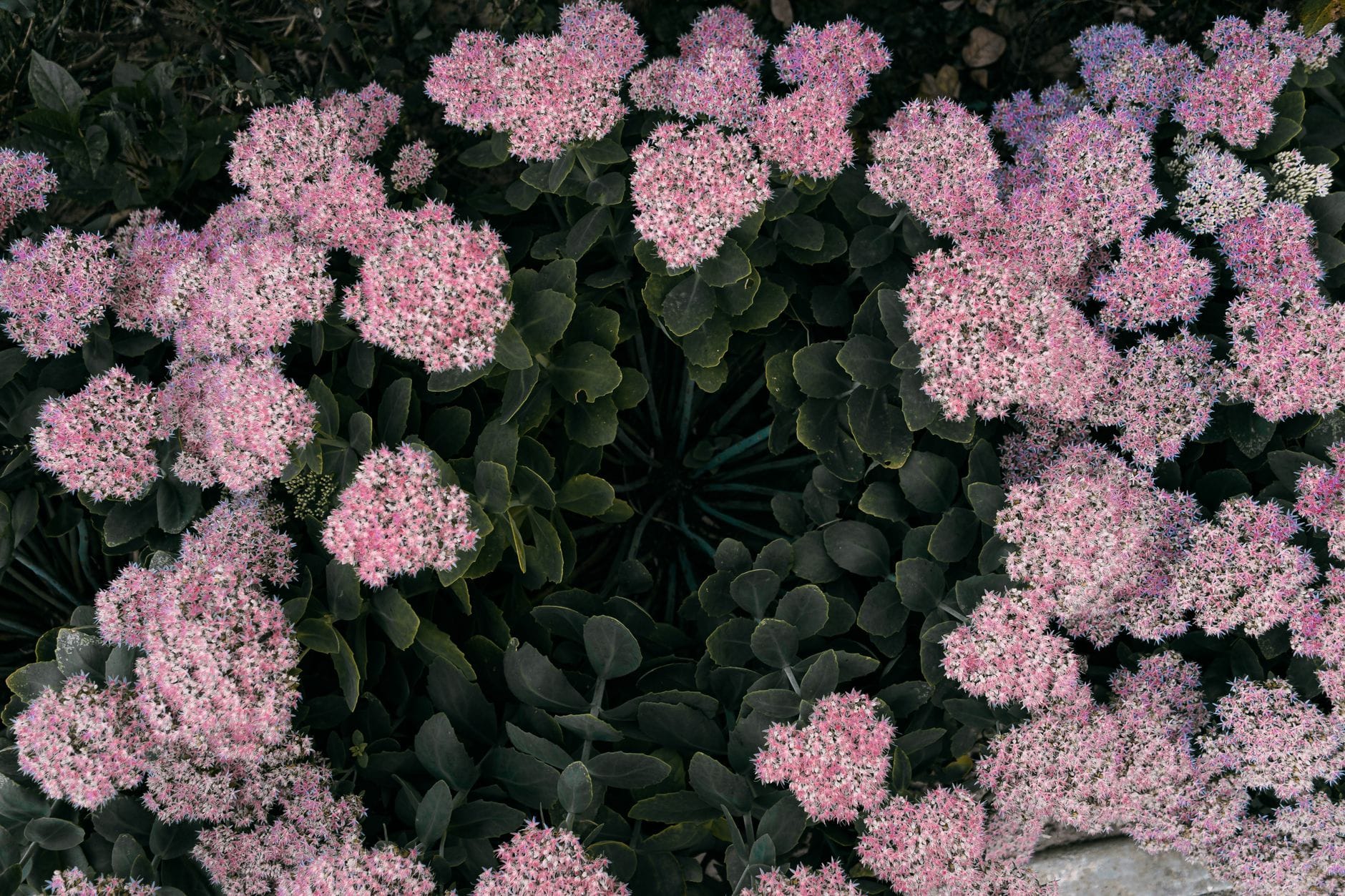
The supplement aisle has become crowded with adaptogens promising to help modern workers combat burnout, brain fog, and chronic fatigue. Among the most marketed is Rhodiola rosea—a flowering plant that grows in the harsh, cold climates of Arctic regions, mountainous areas of Europe and Asia, and even high-altitude Tibetan plateaus. Traditional medicine systems have used it for centuries to combat fatigue, enhance work performance, and improve resilience to stress. But does the clinical evidence actually support these claims?
A Reddit thread in r/Nootropics recently caught my attention: "Has anyone actually had success with Rhodiola for chronic fatigue? Every thread is just 'it works for me' with zero specifics. Looking for actual evidence." This skepticism is warranted. The supplement industry thrives on anecdote and ancient tradition, often bypassing rigorous examination. So I dug into the actual clinical literature—systematic reviews, randomized controlled trials, and safety data—to find out what the science actually says about Rhodiola rosea.
What Is Rhodiola Rosea?
Rhodiola rosea belongs to the Crassulaceae family and thrives in extreme environments—rocky, high-altitude terrain where few plants survive. This harsh growing environment may contribute to its bioactive compound profile. The root contains several classes of compounds believed to be responsible for its effects:
- Rosavins (rosavin, rosin, rosarin)—considered the primary active constituents for adaptogenic effects
- Salidroside (also called rhodioloside or tyrosol glucoside)—a phenylpropanoid glycoside with antioxidant and neuroprotective properties
- Flavonoids and tannins—contributing to antioxidant capacity
Standardized extracts typically contain 3% rosavins and 1% salidroside, though commercial products vary widely in composition. This variability matters because different compounds may produce different effects—and many studies use proprietary extracts with specific ratios that may not match over-the-counter supplements.
The Evidence Base: A Systematic Review of 11 Clinical Trials
In 2012, researchers published a systematic review in BMC Complementary Medicine and Therapies examining all randomized controlled trials (RCTs) and controlled clinical trials (CCTs) on Rhodiola rosea for physical and mental fatigue. After screening 206 articles, only 11 studies met their inclusion criteria—10 RCTs and 1 CCT. This small number should immediately signal caution: despite Rhodiola's popularity, the high-quality clinical evidence is limited.
The review revealed significant methodological challenges. No two studies measured the same outcomes consistently. Some focused on physical performance metrics—time to exhaustion, oxygen consumption, muscle recovery. Others examined cognitive fatigue—reaction time, mental arithmetic, proofreading tasks. This heterogeneity prevented meta-analysis, meaning researchers couldn't pool data to generate stronger statistical conclusions.
Physical Performance Studies: Mixed Results
Of the six trials examining physical fatigue in healthy populations, two reported positive effects of Rhodiola on exercise performance. One study of 14 male students found that a single dose of Rhodiola extract improved time to exhaustion during endurance exercise compared to placebo. Another study demonstrated reduced markers of exercise-induced muscle damage following supplementation.
However, four other trials found no significant benefit for physical performance measures. A study of 24 young men showed no improvement in VO2 max or cycling time trial performance after four weeks of Rhodiola supplementation. Another trial in competitive athletes found no enhancement in sprint performance or recovery markers.
This inconsistency suggests that if Rhodiola does enhance physical performance, the effect may be small, context-dependent, or limited to specific populations—perhaps those experiencing stress-related fatigue rather than healthy, well-trained athletes.
Mental Fatigue and Cognitive Performance
The five studies examining mental fatigue showed somewhat more consistent results. In a double-blind, placebo-controlled study of 56 physicians on night duty, Rhodiola supplementation significantly reduced mental fatigue as measured by cognitive tests—including associative thinking, short-term memory, and calculation ability. The physicians also reported less fatigue overall compared to placebo.
Another study of 60 students during examination periods found that Rhodiola extract improved physical fitness, mental fatigue, and general well-being compared to placebo. Students receiving Rhodiola reported better test performance, though objective measures of academic achievement weren't tracked.
A particularly interesting study examined 118 subjects with stress-related fatigue. After 28 days of Rhodiola supplementation, participants showed significant improvements in attention, processing speed, and cognitive flexibility compared to placebo. Notably, cortisol awakening response—an indicator of hypothalamic-pituitary-adrenal (HPA) axis function—also normalized in the Rhodiola group.
Beyond Fatigue: Anxiety, Depression, and Mood
More recent systematic reviews have expanded the scope beyond fatigue to examine Rhodiola's effects on mood disorders. A 2020 review published in Phytomedicine analyzed studies on depression, anxiety, and mood enhancement. The authors concluded that Rhodiola appears to improve symptoms of mild to moderate depression and mild anxiety, with effects typically appearing within 6-12 weeks of consistent use.
One compelling study randomized 57 subjects with diagnosed depression to receive Rhodiola extract, sertraline (Zoloft), or placebo. While sertraline produced larger reductions in depression scores, it also caused significantly more side effects—particularly sexual dysfunction and gastrointestinal upset. Rhodiola showed a favorable side effect profile, with the authors suggesting it may be appropriate for patients who cannot tolerate conventional antidepressants or prefer natural approaches.
Another double-blind study examined 80 participants with mild anxiety over 14 days. The Rhodiola group demonstrated significant reductions in self-reported anxiety, stress, anger, confusion, and depression compared to controls. Total mood disturbance scores improved by approximately 30% in the Rhodiola group versus minimal change in the placebo group.
The Adaptogen Mechanism: How Might It Work?
Understanding Rhodiola's mechanism requires examining its effects on stress response systems. Research suggests multiple pathways:
HPA Axis Modulation: Chronic stress dysregulates the hypothalamic-pituitary-adrenal axis, leading to elevated cortisol and eventual adrenal fatigue. Rhodiola appears to normalize HPA axis function—reducing cortisol in chronically stressed individuals while potentially enhancing its appropriate release during acute stress. This normalizing rather than suppressing effect characterizes adaptogens.
Neurotransmitter Support: Animal studies suggest Rhodiola influences levels of serotonin, dopamine, and norepinephrine in brain regions associated with mood and cognition. Salidroside specifically appears to inhibit monoamine oxidase (MAO), the enzyme that breaks down these neurotransmitters—similar to the mechanism of some antidepressant medications, though less potent.
Mitochondrial Protection: Both salidroside and rosavins demonstrate antioxidant properties that protect mitochondria from stress-induced damage. Since mitochondrial dysfunction is increasingly implicated in chronic fatigue and mood disorders, this mechanism may explain some of Rhodiola's benefits.
Anti-inflammatory Effects: Chronic low-grade inflammation contributes to both physical fatigue and depression. Rhodiola compounds show anti-inflammatory activity in laboratory studies, potentially reducing the inflammatory burden that contributes to fatigue symptoms.
Dosing, Timing, and Practical Considerations
Clinical studies have used widely varying doses, contributing to confusion about optimal supplementation. Most trials showing benefits used standardized extracts containing:
- 200-400 mg daily of extract standardized to 3% rosavins and 1% salidroside
- Divided doses—typically morning and early afternoon
- Duration of 4-12 weeks for chronic conditions, though some studies showed acute effects within hours
The timing matters. Because Rhodiola can have mild stimulating effects, most practitioners recommend avoiding evening doses. The traditional recommendation of taking it on an empty stomach—based on absorption considerations—may increase the risk of nausea, so taking it with food is often better tolerated.
A critical practical consideration: Rhodiola products vary enormously in quality. ConsumerLab testing has found that many commercial products contain far less rosavin content than claimed on labels—some with none at all. Look for products that specify rosavin and salidroside content and consider third-party tested brands.
Safety Profile and Contraindications
The systematic review noted that Rhodiola was generally well-tolerated across studies. Common side effects include:
- Dizziness (most common)
- Dry mouth
- Nausea, especially at higher doses
- Headache
- Insomnia (if taken late in the day)
Importantly, Rhodiola has stimulant-like properties that warrant caution. People with bipolar disorder should avoid it due to theoretical risk of inducing mania. Those with autoimmune conditions should use caution since immunomodulatory effects, while potentially beneficial, are not fully characterized. Pregnant and breastfeeding women should avoid Rhodiola due to insufficient safety data.
Drug interactions are a concern. Rhodiola may interact with antidepressants (particularly MAOIs and SSRIs), blood pressure medications, and diabetes drugs. The theoretical concern involves additive effects—combining Rhodiola with prescription antidepressants could theoretically cause serotonin syndrome, though documented cases are rare.
The Honest Verdict: What Should You Expect?
After reviewing the clinical evidence, I can offer a nuanced but honest assessment. Rhodiola rosea is not the miracle adaptogen that supplement marketers suggest—but it also isn't a complete placebo. The evidence supports modest benefits for:
- Stress-related mental fatigue—particularly in people experiencing burnout, sleep deprivation, or high cognitive demands
- Mild mood disturbances—anxiety and mild depression may improve with consistent use over several weeks
- Cognitive performance during stress—when you're already depleted, Rhodiola may help restore baseline function
However, the evidence does not strongly support:
- Enhanced physical performance in healthy, trained athletes
- Immediate energy boosts like caffeine
- Treatment of severe depression or chronic fatigue syndrome as a standalone therapy
- Universal benefits—individual response varies significantly
The quality of evidence remains a limitation. Most studies are small, short-term, and use different outcome measures. Publication bias likely favors positive results—negative studies may exist but not be published. The lack of standardized extracts means that even if the clinical trials are valid, your over-the-counter supplement may not match what was tested.
So What Does This Mean for You?
If you're considering Rhodiola for fatigue or stress, approach it with realistic expectations. It's not a replacement for addressing root causes—poor sleep, overwork, inadequate nutrition, or untreated medical conditions. The evidence suggests it works best as an adjunct to lifestyle interventions, not a substitute for them.
The typical user who might benefit is someone experiencing stress-related cognitive decline—difficulty concentrating, mental fatigue, mild anxiety related to work demands—who wants a low-risk intervention with a reasonable evidence base. The person unlikely to benefit is the healthy athlete seeking performance enhancement or someone with severe clinical depression needing psychiatric care.
If you do try Rhodiola, commit to at least 4-6 weeks of consistent use at appropriate doses before judging efficacy. Track your symptoms objectively—fatigue levels, cognitive function, mood ratings—rather than relying on general impressions. And source your supplement carefully, choosing third-party tested products with specified rosavin content.
The ancient medicine systems that used Rhodiola recognized it as a tool for resilience—not a cure-all, but a support for the body during demanding times. The modern evidence largely supports this more modest framing. In a world of exaggerated supplement claims, perhaps that measured perspective is Rhodiola's most valuable lesson.
Have you tried Rhodiola rosea? What was your experience? Share in the comments—while individual anecdotes don't replace clinical evidence, they help others understand the range of real-world responses.