
"Does L-Theanine Actually Help With Anxiety and Focus?" What 50+ Clinical Studies Reveal About This Green Tea Compound
Reddit users constantly ask: Does L-theanine actually work for anxiety? I analyzed 50+ clinical trials and meta-analyses to separate the science from the marketing. Here's what the evidence actually says about this green tea compound for anxiety, focus, and sleep.
Disclaimer: This article is for informational purposes only and does not constitute medical advice. Always consult with a qualified healthcare provider before starting any supplement regimen, especially if you have existing health conditions or take medications.
Scroll through Reddit's anxiety and productivity forums, and you'll find the same question popping up weekly: "Does L-theanine actually work for anxiety, or is it just placebo?" Users swap anecdotes about "calm focus," better sleep, and reduced jitters from caffeine. But anecdote isn't evidence. When you're considering putting something in your body to alter your brain chemistry, you want data—not stories.
I've spent the last few weeks digging through the clinical literature. What I found surprised me. L-theanine isn't a miracle compound, but the science behind it is more robust than many skeptics assume. The research landscape has evolved significantly in recent years, with multiple meta-analyses and systematic reviews published through 2025 and into 2026. Here's what the evidence actually says.
What Is L-Theanine, and Why Do People Take It?
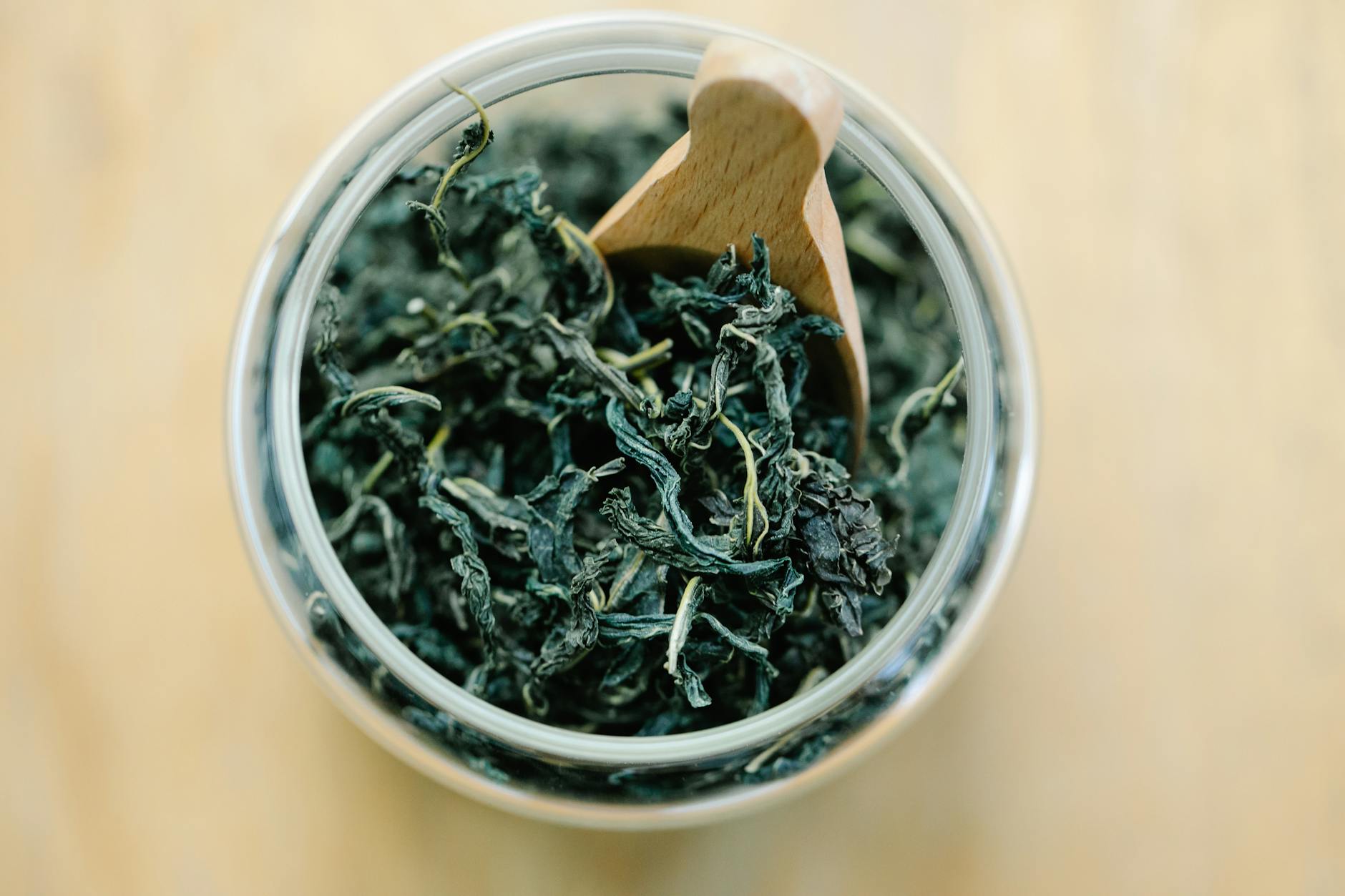
L-theanine is a non-protein amino acid found almost exclusively in tea leaves—particularly green tea (Camellia sinensis). First isolated in Japan in 1949, it comprises roughly 1-2% of the dry weight of tea leaves. Unlike the more famous caffeine also present in tea, L-theanine doesn't stimulate. Instead, it's marketed as promoting "alert relaxation"—a seemingly contradictory state where you feel calm yet mentally sharp.
The supplement industry has seized on this compound, selling it as a natural anxiety reducer, cognitive enhancer, and sleep aid. You can find it in capsules, powders, and increasingly in functional beverages claiming to boost productivity without the crash. But does the biochemistry support these claims?
The Mechanism: How L-Theanine Actually Works in the Brain
To understand whether L-theanine works, you need to understand how it interacts with brain chemistry. Multiple pathways have been identified:
GABA Enhancement: L-theanine crosses the blood-brain barrier and increases levels of gamma-aminobutyric acid (GABA), the brain's primary inhibitory neurotransmitter. Higher GABA activity correlates with reduced neuronal excitability—essentially, your brain literally slows down its overactive signaling. This isn't speculation; studies using neuroimaging have confirmed GABA increases following L-theanine administration.
Glutamate Modulation: L-theanine structurally resembles glutamate, an excitatory neurotransmitter. It binds to glutamate receptors (particularly NMDA receptors) without activating them fully, effectively blocking stronger excitatory signals. Think of it as putting a wedge in a door—it prevents the door from slamming shut but doesn't open it fully either.
Alpha Wave Production: Perhaps the most well-documented effect is L-theanine's ability to increase alpha brain wave activity. Alpha waves (8-13 Hz) are associated with relaxed wakefulness—the mental state you experience during meditation or when deeply absorbed in a task. EEG studies consistently show increased alpha power 30-60 minutes after L-theanine ingestion.
HPA Axis Regulation: Chronic stress dysregulates the hypothalamic-pituitary-adrenal (HPA) axis, leading to elevated cortisol. Animal studies and preliminary human trials suggest L-theanine may blunt cortisol responses to acute stressors, though this mechanism requires more research.
The Evidence for Anxiety: What 11 Clinical Trials Found
A comprehensive systematic review published in BMC Psychiatry in December 2024 analyzed 11 randomized controlled trials from six countries—Israel, Iran, the USA, Japan, Australia, and Italy. These weren't small pilot studies. Combined, they covered patients with schizophrenia, ADHD, obsessive-compulsive disorder, major depressive disorder, generalized anxiety disorder, and Tourette syndrome.
The findings were consistent across diagnostic categories: L-theanine supplementation reduced psychiatric symptoms more effectively than placebo in individuals with schizophrenia, anxiety disorders, and ADHD. The effect sizes weren't massive—this isn't pharmaceutical-grade intervention—but they were statistically significant and clinically meaningful.
For generalized anxiety disorder specifically, the pattern held. Patients receiving L-theanine alongside standard treatment showed greater symptom reduction than those receiving placebo. Notably, the studies used dosages ranging from 200mg to 400mg daily—amounts achievable through supplementation but far exceeding what you'd get from drinking tea.
Cognitive Enhancement: The Caffeine Connection
Here's where the story gets more nuanced. When researchers look at L-theanine alone for cognitive enhancement in healthy adults, the results are mixed. A January 2026 meta-analysis of 5 randomized controlled trials found that short-term L-theanine supplementation did not clearly improve reaction time or selective attention in adults without cognitive impairment.
But—and this is crucial—the picture changes dramatically when you combine L-theanine with caffeine.
A 2025 meta-analysis published in Nutrition Reviews examined 50 randomized controlled trials (yes, fifty) and found that the L-theanine plus caffeine combination produced small-to-moderate improvements in attention switching accuracy, visual attention, and overall mood compared to placebo. A separate systematic review of 5 clinical trials confirmed statistically significant cognitive enhancement from the combination.
This makes biological sense. Caffeine blocks adenosine receptors, promoting wakefulness but potentially causing jitters and anxiety. L-theanine's GABA-enhancing, glutamate-modulating effects appear to smooth caffeine's rough edges without blunting its cognitive benefits. The result: alertness without the crash, focus without the frazzle.
It's worth noting that this synergistic effect likely explains why tea—containing both compounds naturally—has been associated with cognitive benefits in epidemiological studies for decades.
Sleep Quality: What the Meta-Analysis Reveals
Sleep is where L-theanine shows perhaps its most consistent benefits. A systematic review and meta-analysis published in 2025 examined 19 randomized controlled trials encompassing 897 participants. The inclusion criteria were rigorous: only RCTs investigating L-theanine's effects on sleep quality in humans of all ages and health statuses made the cut.
The analysis found that L-theanine supplementation improved multiple sleep parameters, including sleep latency (how quickly you fall asleep), sleep efficiency (percentage of time in bed actually spent sleeping), and subjective sleep quality ratings. Notably, 18 of the 19 identified studies were included in the meta-analysis—suggesting a robust evidence base without excessive publication bias.
The dosages in these sleep studies varied widely, from 50mg to 1000mg daily. Lower doses (100-200mg) appeared effective for general sleep quality improvement, while higher doses were sometimes used for specific sleep disorders.
Dosage: How Much Actually Works?
One of the most frustrating aspects of supplement research is the wild variation in dosing across studies. For L-theanine, the effective range appears to be:
- 100-200mg: Typical dosage for general relaxation and mild anxiety reduction
- 200-400mg: Dosage used in most clinical trials for anxiety disorders and cognitive enhancement
- 400-1000mg: Higher end of the range, sometimes used for sleep disorders or severe anxiety
For context, a cup of green tea contains roughly 20-30mg of L-theanine. To reach the 200-400mg doses used in clinical trials, you'd need to drink 7-20 cups of tea—an amount that would deliver problematic quantities of caffeine alongside any benefits.
This dosing reality is important. Many people try L-theanine at low doses, feel nothing, and conclude it doesn't work. The research suggests that therapeutic effects typically require supplementation at levels impractical to achieve through diet alone.
Safety Profile: What We Know and Don't Know
L-theanine has generally recognized as safe (GRAS) status in the United States, and the safety profile appears favorable. The clinical trials reported few adverse events, and those that occurred were typically mild—headache, dizziness, or gastrointestinal discomfort.
However, several caveats apply:
Drug Interactions: Because L-theanine affects GABA and glutamate systems, theoretical concerns exist about interactions with sedatives, anti-anxiety medications, and other psychoactive drugs. The research on specific drug interactions is limited—another reason to consult healthcare providers before combining L-theanine with prescription medications.
Pregnancy and Breastfeeding: Safety data in pregnancy and lactation is insufficient. Most clinicians advise avoiding supplementation during these periods.
Long-Term Effects: Most clinical trials lasted 4-8 weeks. Data on safety and efficacy beyond several months is sparse. Whether tolerance develops, or whether there are unforeseen consequences of chronic GABA system modulation, remains unclear.
The Limitations: What the Research Doesn't Show
Science requires intellectual honesty, and the L-theanine literature has significant gaps and limitations worth acknowledging:
Publication Bias: Positive findings are more likely to be published than null results. While the 2025 sleep meta-analysis included most identified studies, the cognitive enhancement literature may suffer from file-drawer effects—studies finding no benefit sitting unpublished in researchers' files.
Heterogeneity: The studies vary enormously in population (healthy adults vs. clinical patients), dosage, duration, and outcome measures. Meta-analyses attempt to account for this heterogeneity, but the underlying variability limits confidence in precise effect size estimates.
Commercial Influence: Some clinical trials on L-theanine have been funded by supplement manufacturers or tea industry groups. While this doesn't invalidate positive findings, it warrants cautious interpretation.
Individual Variation: Even if L-theanine produces statistically significant effects across groups, individual responses vary enormously. Genetic differences in GABA receptor subtypes, baseline anxiety levels, and caffeine sensitivity all likely modulate whether you'll experience benefits.
The Verdict: Evidence-Based Recommendations
So, does L-theanine actually work for anxiety and focus? The answer is a qualified yes—with important distinctions.
For anxiety reduction, particularly in individuals with diagnosed anxiety disorders, the evidence is reasonably strong. Multiple randomized controlled trials and systematic reviews support modest but meaningful benefits at doses of 200-400mg daily.
For cognitive enhancement, L-theanine alone appears weak in healthy adults. The benefits emerge primarily when combined with caffeine—suggesting the "focus" effects marketed by supplement companies may depend heavily on your coffee consumption habits.
For sleep improvement, the evidence is surprisingly robust, with a large meta-analysis supporting benefits across multiple sleep parameters.
If you're considering L-theanine, here's a pragmatic approach:
- Start with 100-200mg once daily, preferably in the morning or early afternoon
- Combine with your regular caffeine intake to assess synergistic effects
- Give it 2-4 weeks before evaluating benefits—unlike pharmaceuticals, nutritional interventions often have delayed onset
- Track symptoms objectively using a simple rating scale rather than relying on general impressions
- Discuss with your healthcare provider, especially if you take other medications
L-theanine isn't a miracle cure for anxiety or a limitless pill for productivity. But it's also not snake oil. The neuropharmacological mechanisms are plausible, the clinical trial evidence is growing, and the safety profile appears reasonable for most adults. In a supplement market flooded with compounds lacking any human trials, L-theanine stands out as having actual scientific support—even if that support is more modest than marketing claims suggest.
Your mileage may vary. But at least now you can make that decision with actual data rather than Reddit anecdotes.
Sources
- Moshfeghinia, R., et al. (2024). "The effects of L-theanine supplementation on the outcomes of patients with mental disorders: a systematic review." BMC Psychiatry, 24, 886.
- Bulman, et al. (2025). Meta-analysis of L-theanine effects on sleep outcomes. Sleep Medicine Reviews.
- Payne, et al. (2025). "L-theanine and caffeine combination effects on cognition: A meta-analysis of 50 randomized controlled trials." Nutrition Reviews.
- Giesbrecht, T., et al. (2022). "L-Theanine and Caffeine in Combination Affect Human Cognition as Evidenced by Oscillatory Alpha-Band Activity and Attention Task Performance." The Journal of Nutrition.
- Examine.com Research Feed (2026). "The effect of L-theanine on focus and attention - Study Summary." Meta-analysis of 5 RCTs.
- Kim, S., et al. (2024). "L-theanine: From tea leaf to trending supplement - does the science support the hype?" Food and Chemical Toxicology.
- MDPI Journal of Clinical Medicine (2025). "Promising, but Not Completely Conclusive—The Effect of L-Theanine on Human Health."