
"Has Vitamin D Actually Helped Anyone's Fatigue and Depression?" What 20+ Clinical Studies Reveal About the Sunshine Supplement
A major 2025 meta-analysis of 20 clinical trials reveals vitamin D supplementation significantly reduces depressive symptoms—but primarily in people who were actually deficient. Learn the evidence, proper dosing, and when supplementation actually works.
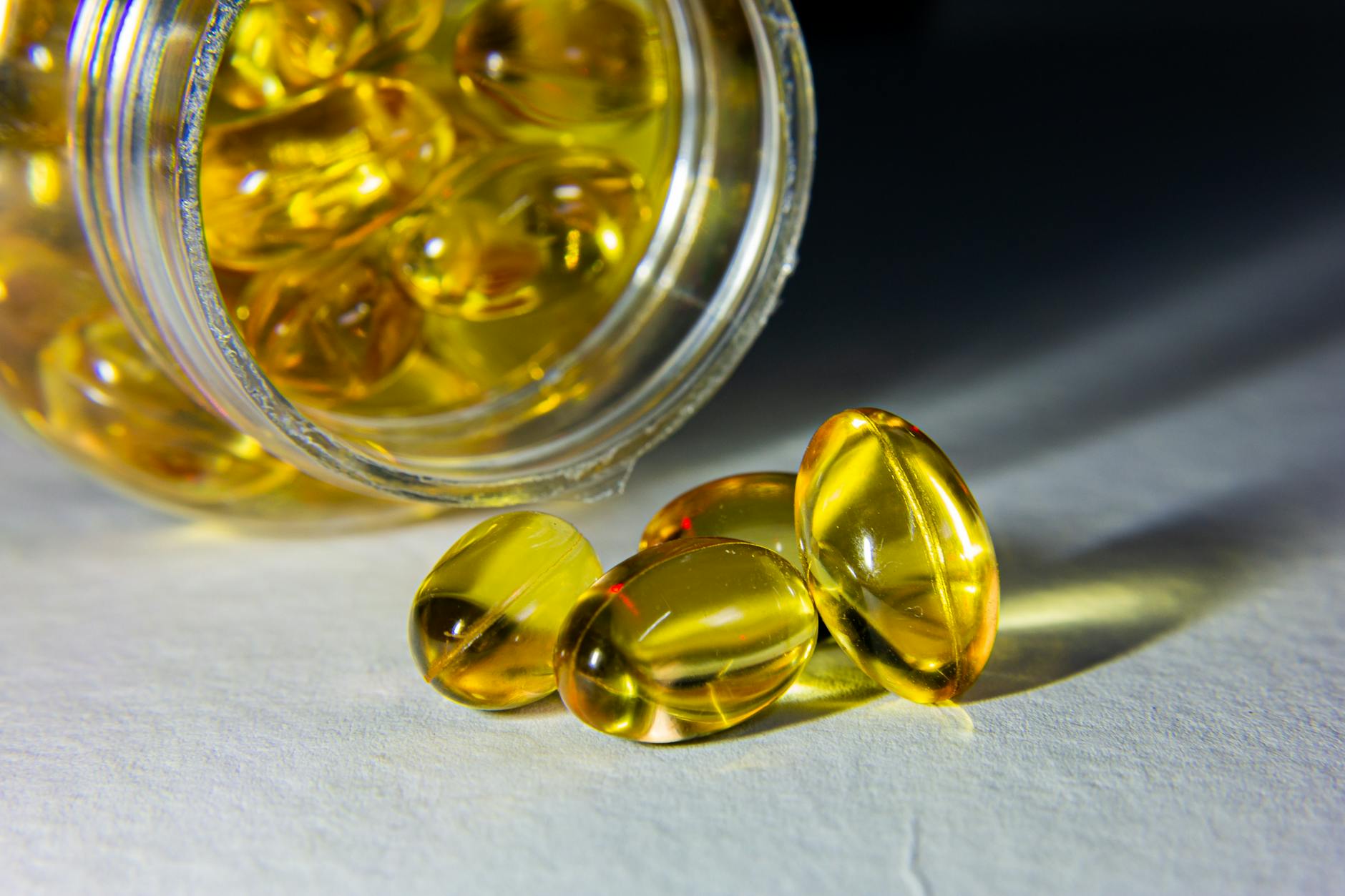
You've seen the posts. Someone on r/Supplements mentions they've been exhausted for months. Brain fog that won't lift. A low-grade depression that creeps in every winter. The top comment? "Get your vitamin D checked." It's become reflexive advice—the supplement world's equivalent of "have you tried turning it off and on again?"
But does it actually work? Or have we collectively latched onto a convenient explanation for complex symptoms that deserve more nuanced answers?
The question matters because vitamin D deficiency is remarkably common. Studies estimate that over 1 billion people worldwide have insufficient levels, with rates climbing higher in northern latitudes, among people with darker skin, and in those who spend most of their days indoors. The supplement industry has responded with a barrage of marketing, but scientific validation often lags behind commercial enthusiasm.
What does the actual clinical evidence show? A major meta-analysis published in Frontiers in Psychiatry in July 2025 analyzed 20 randomized controlled trials to find out. The results paint a more complex picture than either the skeptics or the evangelists would have you believe.
The Depression Connection: What 20 Clinical Trials Found
The meta-analysis by Wang et al. represents one of the most comprehensive examinations of vitamin D's effect on depressive symptoms to date. Researchers pooled data from studies published between 2000 and 2024, encompassing diverse populations and dosing protocols.
The headline finding: vitamin D supplementation produced a statistically significant reduction in depressive symptom scores compared to placebo. Using a standardized mean difference (SMD) of -0.36 with a 95% confidence interval of -0.52 to -0.20 (p < 0.00001), the effect crossed the threshold for clinical relevance.
To put this in practical terms, we're not talking about a miracle cure. An SMD of -0.36 falls in the "moderate" range. For context, many commonly prescribed antidepressants show effect sizes in the 0.3-0.5 range in meta-analyses. Vitamin D sits at the lower end of that spectrum—but it's not placebo-level noise, either.
Where the data gets particularly interesting is in subgroup analysis. The benefits were most pronounced in participants who started with documented vitamin D deficiency. This makes intuitive sense: if you're already replete, adding more doesn't help. But if your levels are genuinely low—typically defined as serum 25(OH)D below 20 ng/mL (50 nmol/L)—supplementation appears to address a legitimate physiological deficit that may be contributing to mood disturbance.
A separate study in children found that vitamin D-deficient subjects given D3 supplementation over three months showed significant improvements not just in depression scores, but in irritability, fatigue, and overall well-being. These secondary outcomes matter because they capture the lived experience of deficiency better than symptom checklists alone.
Why Would Vitamin D Affect Mood?
The mechanistic story isn't fully resolved, but researchers have identified several plausible pathways. Understanding these helps explain why deficiency might manifest as psychological symptoms—and why supplementation helps some people more than others.
Serotonin Production
Vitamin D regulates the expression of genes involved in serotonin synthesis. Serotonin, often called the "feel-good" neurotransmitter, plays a central role in mood regulation. Low vitamin D may literally reduce your brain's capacity to produce adequate serotonin, creating a biochemical foundation for depression that no amount of positive thinking can overcome.
Brain Receptor Function
Vitamin D receptors are distributed throughout brain regions involved in emotional processing, including the hippocampus and prefrontal cortex. These receptors aren't decorative—they actively modulate neuronal function. Deficiency may disrupt emotional processing circuits in ways that produce or exacerbate depressive symptoms.
Inflammation Regulation
The "inflammation hypothesis" of depression has gained significant traction in psychiatry. Chronic low-grade inflammation appears to contribute to mood disorders in susceptible individuals. Vitamin D functions as an immunomodulator, helping regulate inflammatory responses. Supplementation may reduce inflammatory markers that have downstream effects on brain function and mood.
Beyond Depression: Fatigue, Immunity, and Bone Health
While the depression data gets the most attention, vitamin D's effects on fatigue may be equally relevant for the typical Reddit poster asking about unexplained exhaustion. Clinical observations consistently note fatigue improvement alongside mood enhancement in deficiency correction protocols.
The fatigue mechanism likely overlaps with depression pathways—serotonin and dopamine systems influence both mood and energy regulation—but may also involve direct effects on mitochondrial function. Vitamin D appears to influence cellular energy metabolism in ways we're still unpacking.
Immune function represents another domain where deficiency creates measurable problems. Vitamin D deficiency has been associated with increased susceptibility to respiratory infections, longer recovery times, and potentially more severe outcomes in infectious diseases. During the COVID-19 pandemic, multiple observational studies identified low vitamin D levels as a risk factor for severe disease—though whether supplementation prevents infection remains debated.
And we shouldn't forget the original, best-established benefit: bone health. Vitamin D's role in calcium absorption and bone mineralization is beyond dispute. Deficiency causes rickets in children and osteomalacia in adults, with chronic insufficiency contributing to osteoporosis. If you're supplementing for mood, you're getting skeletal benefits as a side effect—an outcome your future self will appreciate.
Recognizing Deficiency: The Symptom Profile
How do you know if you might be deficient? The honest answer: you can't know for certain without a blood test. Serum 25-hydroxyvitamin D [25(OH)D] is the standard diagnostic marker. However, certain symptom clusters should raise suspicion:
- Persistent fatigue not explained by sleep quantity or quality
- Seasonal mood changes (winter depression, summer improvement)
- Muscle weakness or aches, particularly in the lower back and legs
- Bone pain, especially in the hips, pelvis, or ribs
- Frequent infections or slow wound healing
- Hair loss (though this has many causes)
Risk factors include limited sun exposure (office workers, night shift workers, those in northern latitudes), darker skin pigmentation (melanin reduces vitamin D synthesis), obesity (vitamin D gets sequestered in fat tissue), malabsorption conditions (celiac disease, Crohn's), and certain medications.
Dosing: How Much Is Enough?
The official recommendations from the National Institutes of Health suggest 600-800 IU (15-20 mcg) daily for most adults, with 4,000 IU (100 mcg) established as the tolerable upper intake level. These numbers represent the minimum to prevent deficiency diseases, not necessarily the optimal level for all individuals.
In clinical practice, physicians often prescribe higher doses—1,000-2,000 IU daily for maintenance, or 50,000 IU weekly for several weeks to correct documented deficiency. The studies included in the Wang meta-analysis used varied protocols, with most falling in the 1,000-4,000 IU daily range.
What's notable is that more isn't always better. Vitamin D is fat-soluble and can accumulate to toxic levels, though this typically requires sustained intake above 10,000 IU daily. More commonly, excessive supplementation simply wastes money without providing additional benefit. The goal is adequacy, not megadosing.
For most people, 1,000-2,000 IU of vitamin D3 (cholecalciferol) daily represents a reasonable maintenance dose, particularly in winter months or for those with limited sun exposure. D3 has consistently outperformed D2 (ergocalciferol) in head-to-head studies for raising serum levels.
The Skeptic's Case: When Vitamin D Doesn't Help
A responsible analysis requires acknowledging the limitations. Not every study has found benefits. A 2019 trial in adults aged 60-80 with clinically relevant depression symptoms found no improvement from 1,200 IU daily over a full year. The Office of Dietary Supplements notes that many clinical trials haven't concluded that supplementation prevents or manages depression.
Why the discrepancy? Several factors likely contribute:
Baseline status matters enormously. Supplementing someone who already has adequate levels won't produce mood benefits. Many trials haven't screened for deficiency, diluting the effect by including participants who didn't need intervention.
Depression is heterogeneous. Not all depression has the same biological basis. Vitamin D deficiency may drive depression in some individuals while playing no role in others. The "one supplement for everyone" approach ignores this complexity.
Dosing and duration vary. Some studies may have used insufficient doses or too-short timeframes to detect benefits. Vitamin D repletion isn't instantaneous—full physiological effects may take months.
The meta-analysis authors themselves note that many included trials had unclear or high risk of bias. The evidence base, while growing, still has quality gaps that should temper enthusiastic claims.
Practical Recommendations
So what should you actually do? Here's a risk-stratified approach:
If you have symptoms consistent with deficiency (fatigue, seasonal mood changes, bone/muscle pain), request a 25(OH)D blood test from your physician. This is the only way to know your status with certainty. If levels are below 30 ng/mL (75 nmol/L), supplementation is warranted.
If you can't get tested but have risk factors (limited sun, dark skin, northern latitude, obesity), a conservative supplement protocol of 1,000-2,000 IU D3 daily is likely safe and may provide benefits. Monitor for symptom improvement over 2-3 months.
If you're already taking vitamin D without noticeable improvement after 3+ months, consider that deficiency may not be your primary issue. Depression and fatigue have dozens of potential causes—thyroid dysfunction, sleep apnea, anemia, chronic infections, autoimmune conditions. Don't let supplement experimentation delay appropriate medical evaluation.
Consider cofactors. Vitamin D works with magnesium, vitamin K2, and calcium in bone metabolism. Some practitioners recommend magnesium supplementation alongside vitamin D, as magnesium is required for vitamin D activation and is also commonly deficient.
The Bottom Line
The evidence supports a nuanced conclusion: vitamin D supplementation can help with fatigue and depressive symptoms, but primarily in individuals who are actually deficient. The effect is moderate, not miraculous. It's better characterized as correcting a physiological problem than as a mood-enhancing drug.
For the Reddit user asking "Has vitamin D actually helped anyone?"—the honest answer is yes, it has helped many people, particularly those whose symptoms stemmed from undiagnosed deficiency. But it hasn't helped everyone, and it won't replace comprehensive mental health treatment for clinical depression.
The supplement's popularity stems partly from its safety profile and low cost. At typical doses, risk is minimal. For someone experiencing unexplained fatigue or low mood, a 2-3 month trial of 2,000 IU daily—ideally with baseline and follow-up testing—represents a reasonable, evidence-informed approach. Just don't expect sunshine in a capsule to fix problems that need sunlight, sleep, therapy, or medical intervention.
Disclaimer: This article is for informational purposes only and does not constitute medical advice. Always consult a qualified healthcare provider before starting any supplement regimen, especially if you have existing health conditions or take medications. Vitamin D can interact with certain drugs and may be contraindicated in some medical conditions.
Sources
- Wang L, Su S, Liu Y. Meta-analysis of the effect of vitamin D on depression. Frontiers in Psychiatry. 2025;16. doi:10.3389/fpsyt.2025.1622796
- Shoemaker S, Scaccia A. Depression and Vitamin D Deficiency: Is There a Connection? Healthline. Updated April 2025.
- Li G, et al. Efficacy of vitamin D supplementation in depression in adults: a systematic review. The Journal of Neuropsychiatry and Clinical Neurosciences. 2024.
- Office of Dietary Supplements, National Institutes of Health. Vitamin D Fact Sheet for Health Professionals. Updated 2025.
- Spedding S. Vitamin D and depression: a systematic review and meta-analysis comparing studies with and without biological flaws. Nutrients. 2014;6(4):1501-1518.