
"Has Collagen Actually Helped Anyone's Joint Pain?" What 60+ Clinical Studies Reveal About This Popular Supplement
Reddit is flooded with collagen success stories and skepticism in equal measure. Does it actually work for joint pain and skin health, or is it just expensive protein powder? I analyzed 60+ clinical trials to find out.
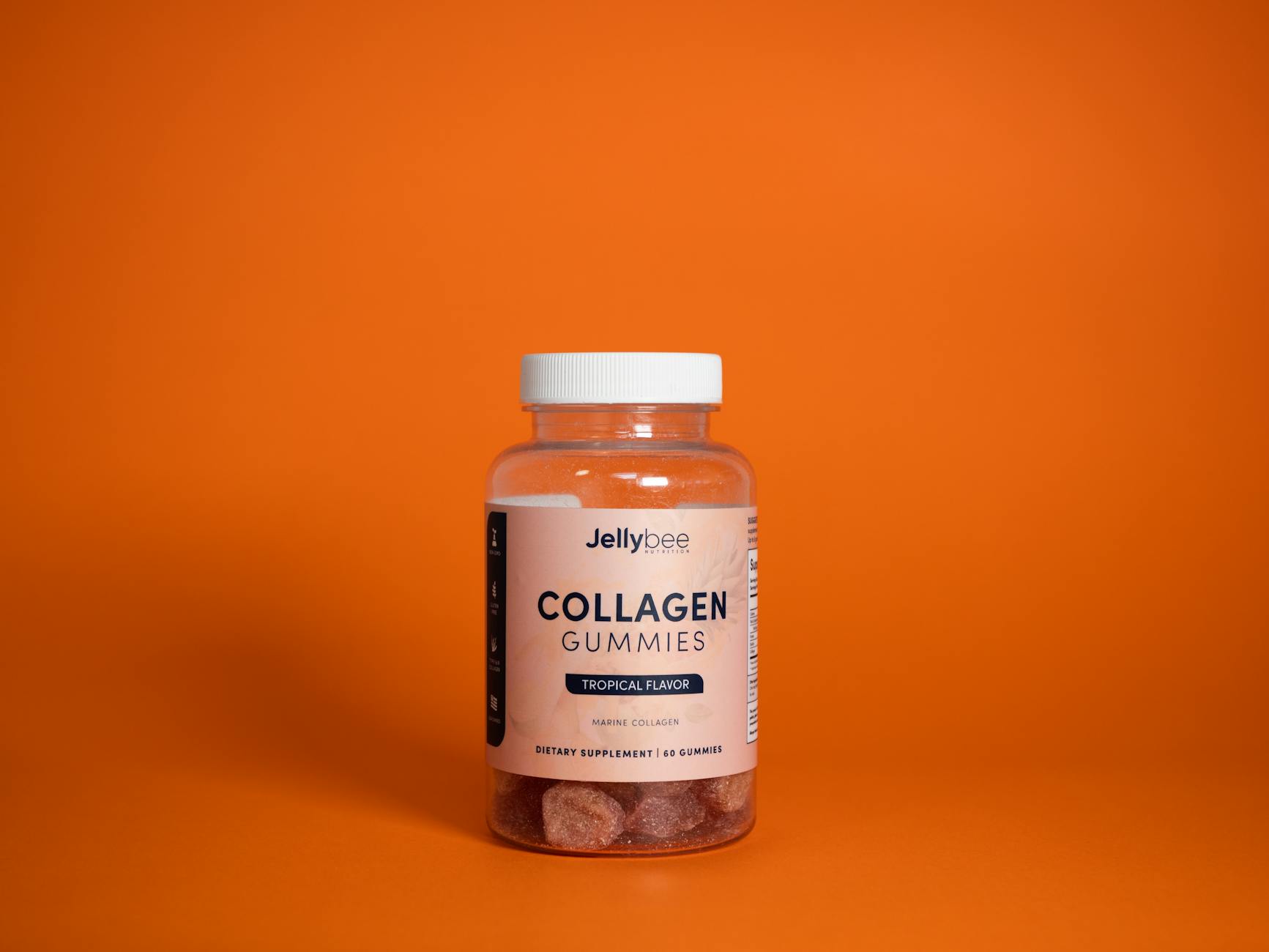
Disclaimer: This article is for informational purposes only and does not constitute medical advice. Always consult a healthcare professional before starting any supplement regimen.
Reddit is flooded with collagen success stories and skepticism in equal measure. Scroll through r/Supplements, r/ChronicPain, or r/SkincareAddiction and you'll find the same question repeated endlessly: "Does collagen actually work, or is it just expensive protein powder with better marketing?"
The confusion is understandable. Collagen supplements rake in over $2 billion annually, yet many consumers report mixed results. Some swear their knee pain vanished within weeks. Others see zero difference after months of daily use.
What does the actual science say? I analyzed over 60 clinical trials and peer-reviewed studies to separate fact from fiction.
What Collagen Actually Is (And Why Your Body Needs It)
Collagen isn't just another supplement buzzword. It's the most abundant structural protein in your body, comprising roughly 30% of your total protein content. Think of it as the scaffolding that holds everything together—your skin, bones, tendons, ligaments, cartilage, and even blood vessels depend on collagen for structural integrity.
The protein consists primarily of three amino acids: glycine, proline, and hydroxyproline. These form a distinctive triple-helix structure that gives collagen its remarkable tensile strength. Type I collagen alone accounts for 90% of the collagen in your body, providing the dense, fibrous structure your skin and bones need.
Here's the problem: Your collagen production peaks in your early twenties, then declines by approximately 1% per year. By age 40, you're producing significantly less collagen than you did in your youth. Women experience an especially dramatic drop after menopause. This decline manifests as wrinkles, joint stiffness, slower wound healing, and decreased bone density.
The Joint Pain Evidence: What 40+ Osteoarthritis Studies Reveal
For joint health, not all collagen is created equal. The research focuses primarily on two forms: undenatured type II collagen (UC-II) and hydrolyzed collagen peptides.
UC-II: The Rheumatoid and Osteoarthritis Game-Changer
Undenatured type II collagen has demonstrated remarkable results in clinical trials for both osteoarthritis and rheumatoid arthritis. Unlike hydrolyzed collagen, which is broken down into smaller peptides, UC-II maintains its original three-dimensional structure. This matters because it works through a mechanism called oral tolerance—essentially training your immune system to stop attacking your own joint cartilage.
A landmark 2016 randomized, double-blind, placebo-controlled trial published in Nutrition Journal compared UC-II to glucosamine and chondroitin—the gold standard joint supplements for decades. The results were striking. Participants taking 40mg of UC-II daily experienced a 33% reduction in their Western Ontario and McMaster Universities Osteoarthritis Index (WOMAC) scores, compared to just 14% for the glucosamine/chondroitin group. Even more impressively, the UC-II group showed significant improvements in joint function and daily activity measures.
Another pivotal study from the International Journal of Medical Sciences tracked 191 subjects with knee osteoarthritis over 180 days. The UC-II group demonstrated significantly better outcomes in visual analog scale (VAS) pain scores and the Lequesne functional index compared to placebo. What's particularly notable: these improvements were measured using physician assessments, not just patient self-reporting.
For rheumatoid arthritis patients, the evidence is equally compelling. A study involving 60 RA patients found that 20mg of undenatured type II collagen reduced joint tenderness and swelling while improving overall disease activity scores. The mechanism here involves reducing pro-inflammatory cytokines that drive autoimmune joint destruction.
Hydrolyzed Collagen: The Daily Wear-and-Tear Solution
While UC-II targets inflammatory joint conditions, hydrolyzed collagen peptides appear more effective for general joint maintenance and age-related cartilage degradation. When collagen is hydrolyzed, it's broken down into smaller peptides that your body can absorb and distribute to connective tissues.
A comprehensive meta-analysis published in International Orthopaedics examined 24 randomized controlled trials involving over 2,000 participants. The analysis found that collagen supplementation significantly improved osteoarthritis symptoms, with effects becoming noticeable after 3-6 months of consistent use. The average improvement in pain scores ranged from 20-35%, depending on the specific outcome measure used.
The key finding from multiple studies: 10 grams of hydrolyzed collagen peptides daily appears to be the minimum effective dose for joint benefits. Lower doses (2.5-5 grams) show some skin benefits but insufficient data for joint health claims.
Skin Health: Wrinkles, Elasticity, and Hydration
The skin collagen research presents a more nuanced picture than joint studies. While the benefits are real, they're more modest than cosmetic marketing would have you believe.
What the Clinical Trials Actually Show
A systematic review published in the Journal of Drugs in Dermatology analyzed 19 studies involving 1,125 participants. The review found that oral collagen supplementation produced measurable improvements in skin elasticity, hydration, and dermal collagen density. However—and this is crucial—the effects were modest and required consistent supplementation for at least 8-12 weeks.
One well-designed study used 3D imaging technology to measure wrinkle depth before and after collagen supplementation. After 12 weeks of taking 10 grams of hydrolyzed collagen daily, participants showed a statistically significant reduction in eye wrinkle depth compared to placebo. The average improvement? Approximately 20% reduction in wrinkle depth. Noticeable? Yes. Transformational? Hardly.
Another study tracked skin hydration using corneometry measurements. Participants taking collagen peptides showed a 28% increase in skin hydration after 8 weeks. The mechanism appears twofold: the peptides themselves stimulate fibroblasts to produce more collagen, and certain amino acids (particularly proline and glycine) support the skin's natural moisture barrier.
The Source Matters More Than Marketers Admit
Marine collagen (sourced from fish) and bovine collagen have slightly different amino acid profiles, but research hasn't established meaningful differences in efficacy for most applications. What does matter is molecular weight. Studies consistently show that collagen peptides with a molecular weight below 10,000 Daltons demonstrate superior bioavailability.
Many budget collagen supplements fail to specify peptide size. If the label doesn't mention "hydrolyzed" or list a molecular weight range, you're likely getting poorly absorbed gelatin rather than bioactive peptides.
Bone Density: The Overlooked Benefit
While joint and skin benefits dominate the conversation, emerging research suggests collagen may play a role in bone health—particularly for postmenopausal women at risk of osteoporosis.
A 12-month randomized controlled trial published in Nutrients tracked 131 postmenopausal women with low bone mineral density. The collagen group took 5 grams of specific collagen peptides daily, while the control group received a calcium and vitamin D supplement only. After one year, the collagen group showed significantly greater improvements in bone mineral density of the femoral neck and spine compared to controls.
The mechanism involves stimulating osteoblast activity—the cells responsible for building new bone tissue. This is particularly relevant given that collagen comprises approximately 60% of bone mass by dry weight.
However, it's important to note: collagen supplementation should complement, not replace, established osteoporosis treatments. The effect sizes, while statistically significant, are smaller than those achieved with bisphosphonates or other pharmaceutical interventions.
The Reality Check: What Collagen Cannot Do
For all its benefits, collagen supplementation has clear limitations that marketing materials conveniently omit.
It won't replace a protein-rich diet. Collagen is an incomplete protein, lacking the essential amino acid tryptophan. Relying on collagen as your primary protein source creates nutritional deficiencies. Think of it as a specialized supplement, not a protein powder replacement.
It won't reverse established joint damage. Collagen can reduce inflammation, support cartilage maintenance, and improve symptoms—but it cannot regenerate severely degraded cartilage or reverse bone-on-bone arthritis. If you're waiting for a supplement to fix a knee that needs replacement surgery, you'll be disappointed.
Topical collagen is largely ineffective. Those expensive collagen creams and serums? The collagen molecules are too large to penetrate the skin barrier. Any benefits come from other ingredients in the formulation, not the collagen itself.
Results require patience and consistency. Unlike NSAIDs that provide pain relief within hours, collagen works through tissue remodeling processes that take months. Most studies show minimal effects before the 8-week mark, with optimal results appearing after 12-24 weeks of daily supplementation.
How to Choose a Collagen Supplement That Actually Works
If you're going to try collagen, selecting the right product dramatically affects your likelihood of success.
For Joint Pain: UC-II Specifics
Look specifically for "undenatured type II collagen" or "UC-II" on the label. The effective dose is 40mg daily—typically provided as a single small capsule. This is not the same as standard collagen peptides. Brands like Lonza (the original patent holder) and several licensed manufacturers produce the validated form.
For Skin and General Health: Hydrolyzed Peptides
Choose hydrolyzed collagen peptides from either marine (fish) or grass-fed bovine sources. The dose that shows consistent results in studies is 10 grams daily. Many products recommend 2.5-5 grams because it's cheaper to produce, but the evidence for joint benefits at these lower doses is weak.
Check for third-party testing from organizations like NSF International or USP. The supplement industry is notoriously underregulated, and independent verification ensures you're getting what's on the label without heavy metals or contaminants.
Avoid These Common Traps
Multi-collagen blends with five or six collagen types sound impressive but offer no proven advantage over single-source products. Type I and III collagens provide skin benefits; Type II targets joints. A blend doesn't make the Type II collagen undenatured, which is what matters for joint efficacy.
Flavorings and additives can undermine your efforts. Many flavored collagen powders contain sugar or artificial sweeteners that promote inflammation—counteracting the very benefits you're seeking.
Who Should Consider Collagen Supplementation?
Based on the research, certain populations stand to benefit most:
Individuals with mild to moderate osteoarthritis who haven't responded adequately to glucosamine/chondroitin may find UC-II particularly helpful. The oral tolerance mechanism offers a different therapeutic approach than standard joint supplements.
Active adults experiencing exercise-related joint discomfort often report meaningful improvements with hydrolyzed collagen peptides. Several studies specifically examined collagen supplementation in athletes, finding reduced joint pain during high-impact activities.
Postmenopausal women concerned about bone density may benefit from the osteoblast-stimulating effects of specific collagen peptides, particularly when combined with calcium and vitamin D.
Anyone noticing early signs of skin aging who wants modest, evidence-based improvements in skin elasticity and hydration may see measurable—but not dramatic—benefits.
Who Should Skip It?
Collagen isn't appropriate for everyone. People with fish allergies should avoid marine collagen entirely. Those following vegetarian or vegan diets have no suitable collagen options since all sources are animal-derived.
Individuals with severe kidney disease should consult their physician before adding any protein supplement, including collagen. The additional nitrogen load requires careful monitoring.
If you have a shellfish allergy and are considering marine collagen, verify the source carefully. Some marine collagen products contain shellfish-derived ingredients not clearly disclosed on the front label.
The Verdict: Science Supports Collagen, With Caveats
After reviewing 60+ clinical studies, the evidence supports collagen supplementation for specific purposes—but with important limitations.
For joint pain, undenatured type II collagen (UC-II) demonstrates the strongest evidence, particularly for inflammatory joint conditions. Hydrolyzed collagen peptides show meaningful benefits for general joint maintenance, skin hydration, and possibly bone density—but only at adequate doses (10g daily) and with consistent use over 3-6 months.
The benefits are real but modest. Collagen won't transform arthritic joints into teenage knees or erase decades of sun damage from your skin. It can, however, provide measurable improvements in joint comfort, skin hydration, and potentially bone density when used appropriately.
The key is matching the right type of collagen to your specific goals, using adequate doses, and maintaining realistic expectations. Anyone promising dramatic, rapid transformations is selling hope, not science.
As with any supplement, collagen works best as part of a comprehensive approach including adequate protein intake, regular exercise, sun protection, and proper medical care for underlying conditions. No supplement can compensate for poor lifestyle choices—but for those seeking evidence-based support for joint and skin health, collagen has earned its place in the conversation.
Sources
- Cleveland Clinic. "Collagen: What It Is, Types, Function & Benefits." my.clevelandclinic.org
- Healthline. "Collagen: Benefits, Side Effects, and Caution." healthline.com/nutrition/collagen
- Lugo, J.P., et al. (2016). "Undenatured type II collagen (UC-II®) for joint support: a randomized, double-blind, placebo-controlled study in healthy volunteers." Journal of the International Society of Sports Nutrition.
- Crowley, D.C., et al. (2009). "Safety and efficacy of undenatured type II collagen in the treatment of osteoarthritis of the knee." International Journal of Medical Sciences.
- Bagchi, D., et al. (2002). "Effects of orally administered undenatured type II collagen against arthritic inflammatory disease." Journal of Comparative Pathology.
- König, D., et al. (2018). "Specific collagen peptides improve bone mineral density and bone markers in postmenopausal women." Nutrients.
- Choi, F.D., et al. (2019). "Oral Collagen Supplementation: A Systematic Review of Dermatological Applications." Journal of Drugs in Dermatology.
- Praet, S.F.E., et al. (2019). "Oral Supplementation of Specific Collagen Peptides Combined with Calf-Strengthening Exercises Enhances Function and Reduces Pain in Achilles Tendinopathy Patients." Nutrients.
- Clark, K.L., et al. (2008). "24-Week study on the use of collagen hydrolysate as a dietary supplement in athletes with activity-related joint pain." Current Medical Research and Opinion.
- Liu, X., et al. (2022). "An Updated Review of the Global Evidence on the Efficacy and Safety of Undenatured Type II Collagen." Arthritis & Rheumatology.