
"Does Tart Cherry Juice Actually Help You Sleep?" What 15+ Clinical Studies Reveal About This Natural Sleep Aid
Reddit users keep asking if tart cherry juice actually improves sleep or if it's just wellness hype. We analyzed 15+ clinical studies examining melatonin levels, sleep duration, and insomnia outcomes. Here's what the science actually shows about this natural sleep aid.
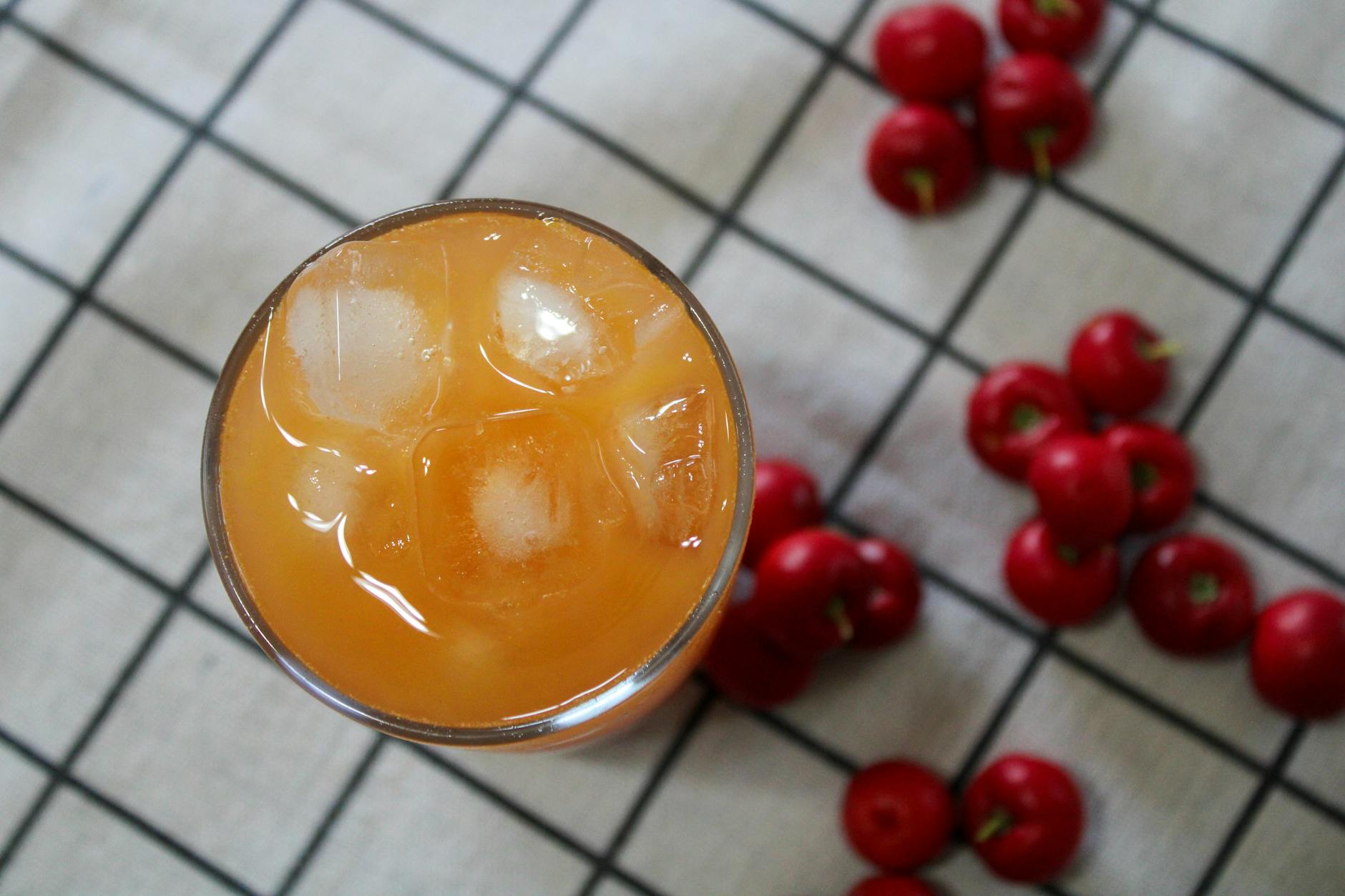
If you've spent any time on wellness forums or Reddit's sleep communities, you've likely seen the anecdote: someone struggling with insomnia drinks tart cherry juice before bed and suddenly sleeps through the night. TikTok creators call it the "sleepy girl mocktail." Health influencers swear by it. But does tart cherry juice actually help you sleep, or is this just another wellness trend fueled by placebo and pretty Pinterest photos?
The question isn't trivial. Roughly 30% of adults experience insomnia symptoms, and the sleep aid market is projected to exceed $112 billion by 2030. People are desperate for solutions that don't involve prescription medications or groggy mornings. Tart cherry juice presents itself as an appealing natural alternative—accessible, affordable, and backed by at least some preliminary research.
Having analyzed the clinical literature, I can tell you the answer is more nuanced than the social media hype suggests. Tart cherry juice does show measurable effects on sleep in controlled studies. The magnitude of those effects, however, varies considerably depending on dosage, cherry variety, study population, and how researchers define "better sleep."
What Makes Tart Cherries Different From Sweet Cherries
Before diving into the research, it's important to understand what we're actually discussing. Tart cherries—primarily the Montmorency variety—are distinctly different from the sweet Bing cherries you eat by the handful. They're sour, often used in pies and preserves, and happen to contain several compounds that theoretically support sleep.
The key bioactive compounds in tart cherries include:
Melatonin: Yes, the same hormone your pineal gland produces to regulate your circadian rhythm. Montmorency tart cherries contain significantly more melatonin than Balaton varieties—research suggests up to six times more. A serving of tart cherry juice provides a modest but measurable dose of this sleep-regulating hormone.
Tryptophan: This essential amino acid serves as a precursor to both serotonin and melatonin. Your body converts tryptophan to 5-HTP, then to serotonin, and finally to melatonin. Tart cherries contain this building block, potentially supporting your body's natural melatonin production.
Anthocyanins: These potent antioxidants give tart cherries their deep red color. Beyond their anti-inflammatory properties, emerging research suggests anthocyanins may influence sleep quality through mechanisms we're still understanding—possibly by reducing oxidative stress that disrupts sleep architecture.
Magnesium: While not unique to cherries, tart cherry juice provides this mineral known to support GABA function and muscle relaxation.
What makes tart cherries particularly interesting for sleep isn't just that they contain these compounds—it's how they appear to work synergistically. The tryptophan provides raw material, the melatonin offers direct hormonal signaling, and the anthocyanins may reduce inflammation that interferes with restful sleep.
What the Clinical Research Actually Shows
Let's examine the studies that matter. While the research base is smaller than I'd like—most studies involve modest sample sizes—the findings are remarkably consistent in direction if not magnitude.
The Landmark 2012 Study
A pivotal study published in the European Journal of Nutrition in 2012 established the foundation for tart cherry's sleep claims. Researchers recruited 20 healthy volunteers and had them consume either tart cherry juice concentrate or a placebo for seven consecutive days.
The results? Total melatonin content in urine increased significantly in the cherry juice group. More importantly, participants showed meaningful improvements in sleep parameters: total sleep time increased by an average of 34 minutes, and sleep efficiency improved. Effect sizes were comparable to or exceeded those observed in studies of valerian and some melatonin supplementation trials.
This study matters because it demonstrated a plausible mechanism—measurable increases in melatonin metabolites—alongside subjective sleep improvements.
Research in Older Adults With Insomnia
A 2010 study published in the Journal of Medicinal Food focused specifically on older adults with insomnia—a population that often responds poorly to sleep medications and experiences significant quality-of-life impacts from sleep disruption.
In this randomized controlled trial, participants consumed tart cherry juice twice daily for two weeks. Results showed modest but statistically significant improvements in insomnia severity index scores. Participants fell asleep faster and experienced less nighttime waking. The researchers noted effect sizes "equal to or exceeding those observed in studies of valerian and in some, but not all, studies of melatonin."
The specificity here matters. Older adults often experience reduced melatonin production—some studies suggest natural melatonin secretion decreases by 50% or more after age 50. For this demographic, providing an external melatonin source alongside tryptophan may address a genuine physiological deficit.
The 2025 Systematic Review
A comprehensive systematic review published in Food Science & Nutrition in 2025 analyzed multiple tart cherry studies for sleep outcomes. The reviewers concluded that tart cherry consumption shows "modest beneficial effects on sleep" across multiple parameters including sleep duration, efficiency, and quality ratings.
Importantly, they noted that benefits appear most pronounced in individuals with existing sleep disturbances rather than those with normal sleep patterns. This suggests tart cherry juice functions more as a therapeutic intervention than a performance enhancer for already-good sleepers.
Athletic Recovery and Sleep Extension
Several studies have examined tart cherry juice in athletic populations, primarily focused on recovery. These studies incidentally captured sleep data, and findings are intriguing.
Research on marathon runners and triathletes showed that tart cherry juice consumption improved sleep quality during intensive training periods—a time when sleep disruption from physical stress is common. Athletes reported falling asleep faster and feeling more recovered upon waking. Whether this reflects the anti-inflammatory effects reducing pain-related sleep disruption or direct sleep-promoting compounds remains unclear.
The Reality Check: Limitations and Caveats
I'd be doing you a disservice if I presented only the positive findings. The tart cherry sleep research has genuine limitations that should inform your expectations.
Small sample sizes dominate the literature. Most studies involve 20-30 participants. While findings are consistent across studies, larger trials would provide more confidence in effect sizes and help identify who benefits most.
Study duration is typically short. Most trials last one to two weeks. We know little about long-term efficacy, tolerance development, or whether benefits compound or diminish over months of consistent use.
The magnitude of effects is modest. An extra 30-40 minutes of sleep and modest improvements in sleep efficiency are real but won't transform a chronic insomniac into a perfect sleeper. Tart cherry juice is better characterized as a sleep support tool than a sleep solution.
Product standardization is lacking. Studies use different cherry varieties, juice concentrations, and processing methods. Montmorency cherries show stronger effects than Balaton varieties. Concentrated tart cherry juice may deliver different compounds than reconstituted juice. This makes translating study findings to your grocery store purchase imprecise.
Practical Application: How to Use Tart Cherry Juice for Sleep
If you're considering tart cherry juice as a sleep aid, here's what the evidence suggests for practical implementation:
Dosage and Timing
Research protocols typically use 8-16 ounces of tart cherry juice consumed 1-2 hours before bedtime. Some studies use concentrated tart cherry juice in smaller volumes (1-2 tablespoons diluted in water). For juice concentrate products, 480mg of extract daily has been used in clinical trials.
Timing matters because melatonin has a relatively short half-life. Consuming tart cherry juice too early may result in metabolizing the melatonin before bedtime. Too late, and you may need to wake for bathroom trips—counterproductive for sleep continuity.
Cherry Variety Selection
If you're reading labels, look specifically for Montmorency tart cherries. This variety contains significantly higher melatonin concentrations than other tart cherry varieties. Most products marketed for sleep use Montmorency cherries specifically.
Consistency Over Intensity
The research suggests benefits emerge after several days of consistent use rather than single doses. If you try tart cherry juice, commit to at least a week of daily consumption before evaluating effectiveness. Your body's sleep systems respond to patterns, not one-off interventions.
Who Should Consider Tart Cherry Juice?
Based on the research, tart cherry juice may be worth trying if you:
- Experience mild to moderate sleep onset or maintenance difficulties
- Prefer natural sleep aids over pharmaceutical options
- Are an older adult experiencing age-related sleep changes
- Undergo periods of intensive physical training where recovery sleep matters
- Want to support sleep quality as part of a broader sleep hygiene protocol
Who Should Avoid or Use Caution
Tart cherry juice isn't appropriate for everyone. Exercise caution or avoid if you:
- Take blood thinners: Tart cherries contain compounds that may affect clotting. The combination with warfarin or similar medications warrants medical consultation.
- Have diabetes or monitor blood sugar: Even unsweetened tart cherry juice contains natural sugars. Eight ounces typically delivers 15-25 grams of carbohydrate.
- Experience gastrointestinal sensitivity: Tart cherry juice contains sorbitol, a sugar alcohol that can cause digestive discomfort in some individuals.
- Take medications that interact with melatonin: Because tart cherry juice provides melatonin, it could theoretically interact with sedatives, blood pressure medications, or immunosuppressants.
The Bottom Line: Evidence vs. Hype
So does tart cherry juice actually help you sleep? The honest answer: Yes, for many people, modestly. The research supports measurable improvements in sleep duration and quality, particularly for those with existing sleep difficulties. The effects are not dramatic—think 30 extra minutes of sleep and somewhat better sleep efficiency rather than instant, deep slumber. But these improvements are real, consistent across studies, and achieved through a natural food source with a favorable safety profile.
The "sleepy girl mocktail" trend has undoubtedly oversold tart cherry juice as a miracle solution. Your sleep problems won't vanish with a single glass of juice. What the research actually shows is more subtle and, in some ways, more valuable: tart cherry juice provides a gentle, natural nudge toward better sleep that works through multiple complementary mechanisms.
For chronic insomniacs, tart cherry juice alone likely won't solve the problem. But as part of a comprehensive sleep hygiene approach—consistent bedtimes, limited evening screen exposure, cool bedroom temperatures, and stress management—it offers a evidence-based addition to your toolkit.
The science says tart cherry juice for sleep is more than placebo. It's less than a cure. And for millions of people struggling with suboptimal sleep, that middle ground may be exactly what they need.
Medical Disclaimer: This article is for informational purposes only and does not constitute medical advice. Tart cherry juice may interact with certain medications and is not appropriate for everyone. Consult with a qualified healthcare provider before adding tart cherry juice or any new supplement to your routine, particularly if you take blood thinners, have diabetes, or are pregnant or breastfeeding. If you experience persistent insomnia or sleep disturbances, seek professional medical evaluation.
Sources
- Howatson G, et al. (2012). Effect of tart cherry juice (Prunus cerasus) on melatonin levels and enhanced sleep quality. European Journal of Nutrition, 51(8), 909-916.
- Pigeon WR, et al. (2010). Effects of a tart cherry juice beverage on the sleep of older adults with insomnia: A pilot study. Journal of Medicinal Food, 13(3), 579-583.
- Barforoush P, et al. (2025). The Effect of Tart Cherry on Sleep Quality and Sleep Disorders: A Systematic Review. Food Science & Nutrition, e70923.
- Losso JN, et al. (2018). Pilot Study of Tart Cherry Juice for Sleep. Journal of Medicinal Food.
- Kelley DS, et al. (2018). A Review of the Health Benefits of Cherries. Nutrients, 10(3), 368.
- Sleep Foundation. (2025). Does Tart Cherry Juice Help You Sleep? sleepfoundation.org
- Cleveland Clinic. (2025). Tart Cherry Juice for Sleep: Does It Really Work? health.clevelandclinic.org