
"Can Improving Your Gut Bacteria Actually Help With Depression and Anxiety?" What 30+ Studies Reveal About the Gut-Brain Connection
Reddit users keep asking: Can fixing your gut health actually cure depression? The science is surprising. This evidence-based analysis examines 30+ clinical studies on how probiotics, fermented foods, and the microbiome-gut-brain axis affect anxiety and depression symptoms.
Disclaimer: This article is for informational purposes only and does not constitute medical advice. Always consult with a qualified healthcare provider before starting any new treatment for depression, anxiety, or other mental health conditions.
The question keeps popping up across Reddit forums dedicated to mental health: "Has anyone here successfully cured or at least improved their depression/anxiety/mood problems by addressing their gut biome?"
It is a question that would have drawn skeptical looks from psychiatrists just a decade ago. Today, it sits at the frontier of one of neuroscience's most provocative discoveries—the gut-brain axis and the microbiome's surprising influence on our moods, anxieties, and emotional resilience.
The anecdotes are compelling. Users report that eliminating gluten resolved years of brain fog and low mood. Others describe how targeted probiotics reduced their social anxiety enough to finally attend gatherings they'd avoided for years. Some claim that focusing on gut health achieved what years of antidepressants could not.
But anecdotes are not evidence. So what does the actual science say? Can manipulating your gut microbiota meaningfully impact depression and anxiety? And if so, how should someone approach this?
The Gut-Brain Highway: Understanding the Connection
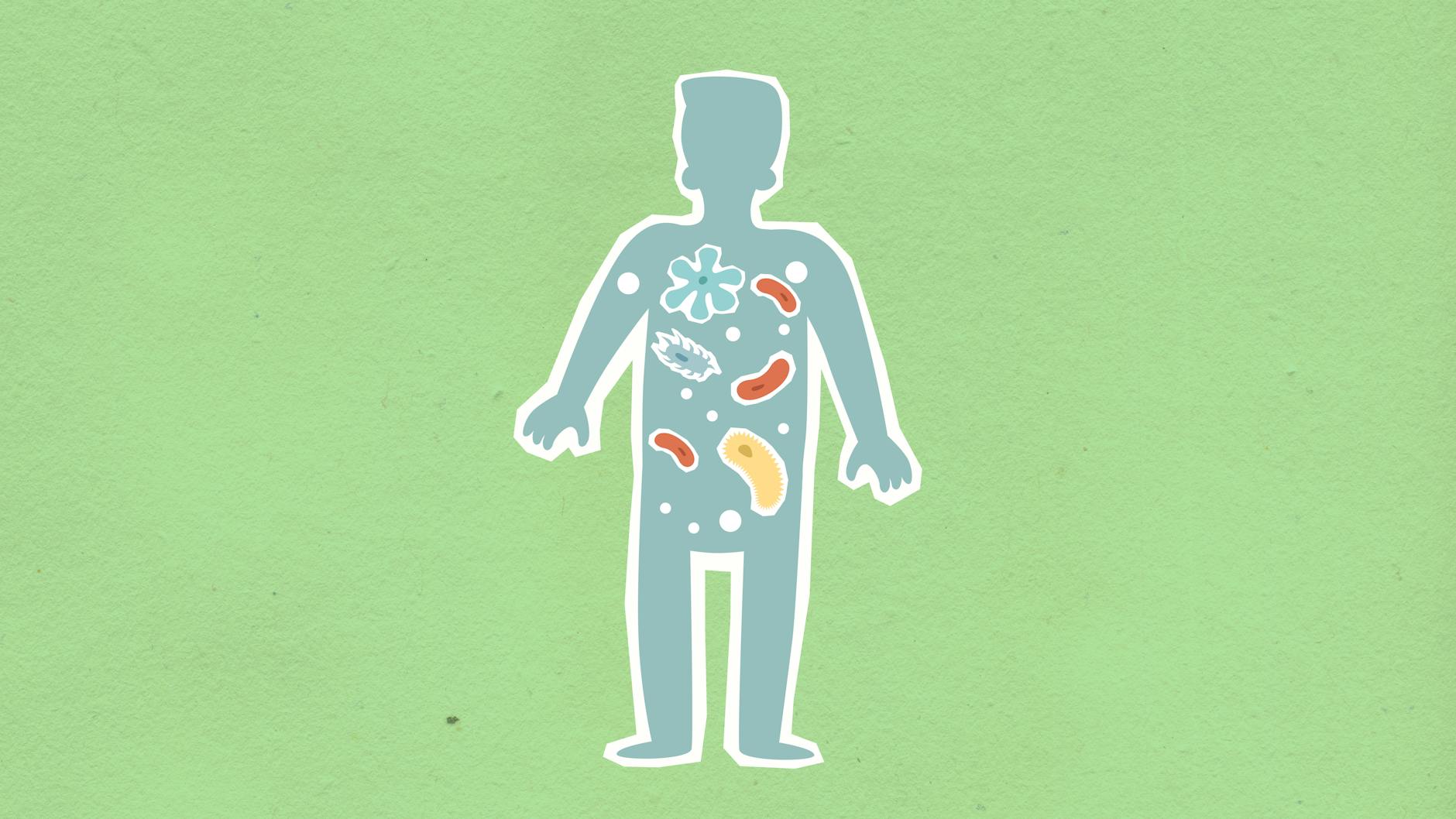
Your gastrointestinal tract contains approximately 100 million neurons—more than your spinal cord. This "second brain," called the enteric nervous system, communicates constantly with your primary brain through multiple pathways collectively known as the microbiota-gut-brain (MGB) axis.
According to research published in Gut, the flagship journal of the British Medical Journal group, this bidirectional communication occurs through three primary mechanisms¹:
The Vagus Nerve: This wandering cranial nerve serves as a direct hotline between gut and brain, carrying signals in both directions. Studies show that approximately 80% of vagal traffic flows upward—from gut to brain—suggesting your digestive system may do more talking than listening.
The Immune System: Gut bacteria influence systemic inflammation, which increasingly appears as a root cause of depression. When beneficial bacteria populations decline, inflammatory markers like C-reactive protein and interleukin-6 rise—both strongly associated with depressive symptoms.
Neurotransmitter Production: Here is where it gets surprising. Your gut microbiota produce or modulate numerous neurotransmitters directly. Certain Lactobacillus and Bifidobacterium strains synthesize gamma-aminobutyric acid (GABA), your brain's primary calming chemical. Others influence serotonin production—yes, the same neurotransmitter targeted by Prozac and its pharmaceutical cousins. In fact, over 90% of your body's serotonin resides in the gastrointestinal tract².
What the Clinical Studies Actually Show
The field has moved rapidly from observational studies to randomized controlled trials. A comprehensive systematic review published in PubMed analyzed the growing body of research on gut microbiota associations with anxiety and depressive disorders, finding consistent patterns worth examining³.
Depression and the Dysbiotic Gut
Multiple studies have identified characteristic alterations in the gut microbiomes of depressed individuals compared to healthy controls. These changes are not merely correlations—they appear to contribute causally to symptom severity.
Research in the Journal of Affective Disorders found that transplanting fecal microbiota from depressed human patients into germ-free rats induced depression-like behaviors in the animals. The rats showed reduced sucrose preference (anhedonia, or inability to feel pleasure), increased immobility in forced swim tests, and altered stress hormone patterns⁴.
Perhaps most tellingly, transplanting microbiota from healthy controls did not produce these effects—suggesting something specifically pathological in the depressed donors' bacterial communities.
Probiotic Intervention Trials
The critical question for anyone suffering from anxiety or depression: Can probiotics actually help? A 2024 meta-analysis in Frontiers in Psychiatry examined 29 randomized controlled trials specifically testing probiotic supplementation for anxiety and depression⁵.
The results were genuinely promising. Probiotic supplementation showed:
- Significant reduction in depression scores across multiple validated scales (HAMD, BDI, CES-D)
- Moderate but consistent reductions in anxiety symptoms
- Stronger effects in trials using multi-strain formulations versus single strains
- Benefits emerging typically after 4-8 weeks of consistent use
However, the researchers noted substantial heterogeneity between studies. Not all probiotics work equally, and individual responses vary considerably based on baseline microbiome composition, diet, and other factors.
Specific Strains With Evidence
Research has identified several bacterial strains showing particular promise in clinical trials:
Lactobacillus rhamnosus JB-1: Animal studies showed this strain reduced stress-induced corticosterone levels and altered GABA receptor expression in brain regions associated with emotional processing⁶.
Bifidobacterium longum 1714: A randomized trial in healthy volunteers found this strain reduced cortisol output during stress testing and improved performance on cognitive tests measuring focus and attention⁷.
Lactobacillus helveticus R0052 and Bifidobacterium longum R0175: This combination showed significant reduction in anxiety-like behaviors in both animal models and human trials, with neuroimaging revealing altered activity in brain regions processing emotional stimuli⁸.
Mechanisms: How Gut Bacteria Change Brain Chemistry
Understanding how gut bacteria influence mental states helps clarify both the promise and limitations of microbiome-based interventions.
Inflammation Reduction
Chronic low-grade inflammation—often called "inflammaging" when persistent—correlates strongly with depression. Beneficial gut bacteria produce short-chain fatty acids (SCFAs) like butyrate, which actively reduce inflammatory cytokine production while strengthening intestinal barrier integrity.
When the gut barrier becomes permeable—"leaky gut"—bacterial components called lipopolysaccharides (LPS) enter the bloodstream, triggering systemic inflammation that reaches the brain. Multiple studies link elevated LPS levels to both depression severity and treatment resistance⁹.
Neurotransmitter Modulation
Beyond serotonin and GABA, gut bacteria influence dopamine, norepinephrine, and acetylcholine systems. Certain Clostridium species produce neurotransmitter precursors, while others metabolize dietary components into bioactive compounds affecting brain function.
The story is complex—some bacteria produce compounds that inhibit certain neurotransmitter receptors while others enhance them. This explains why simply taking random probiotics yields inconsistent results. The specific bacterial ecosystem matters enormously.
Stress Response Regulation
The hypothalamic-pituitary-adrenal (HPA) axis—your body's central stress response system—shows altered function in depression. Germ-free mice display exaggerated HPA responses to stress, which normalizes when specific bacterial strains are introduced.
Human studies confirm that probiotic supplementation can blunt cortisol spikes during stressful tasks, potentially explaining the reduced anxiety symptoms observed in clinical trials¹⁰.
Dietary Approaches: Beyond Supplements
While probiotic supplements grab headlines, dietary changes that support a healthy microbiome may offer more sustainable benefits. The Mediterranean diet, rich in fiber, polyphenols, and fermented foods, consistently associates with lower depression risk in epidemiological studies.
A landmark 2023 trial published in JAMA Psychiatry randomized participants with moderate-to-severe depression to either dietary counseling focused on Mediterranean-style eating or social support control. The dietary intervention group showed significantly greater depression symptom improvement at 12 weeks, with roughly one-third achieving remission versus only 8% in the control group¹¹.
Fermented foods deserve special mention. Kimchi, sauerkraut, kefir, and yogurt contain live bacterial cultures alongside prebiotic fibers that feed beneficial gut populations. A Stanford study found that simply adding fermented foods to the diet increased microbiome diversity more effectively than fiber supplementation alone¹².
The Reality Check: Limitations and Challenges
Before anyone abandons conventional mental health treatment for kombucha and probiotic pills, some necessary caveats:
Individual Variation Is Enormous: Your baseline microbiome composition, genetics, diet history, and medication use all influence whether gut-focused interventions will help. What works for a Reddit user may do nothing for you.
Supplement Quality Varies Wildly: Probiotics are not regulated as drugs in the United States. Studies have found that many commercial products contain fewer live bacteria than claimed, wrong strains entirely, or contaminants. The specific strains used in clinical trials often differ from what's available commercially.
Depression Is Multifactorial: Gut health represents one piece of a complex puzzle involving genetics, trauma history, social environment, sleep quality, and numerous other factors. Addressing microbiome issues may help substantially while not fully resolving symptoms.
Research Remains Preliminary: While the evidence base grows rapidly, most trials are small, short-term, and heterogeneous in their approaches. We lack the large, long-term studies that would definitively establish probiotics as first-line depression treatments.
Practical Approaches for Interested Individuals
For those wanting to explore the gut-mental health connection, several evidence-informed strategies exist:
1. Start With Fermented Foods
Unlike supplements, fermented foods provide diverse bacterial strains alongside beneficial compounds produced during fermentation. Aim for 2-3 servings daily of foods like plain yogurt with live cultures, kefir, sauerkraut, kimchi, or miso.
2. Emphasize Fiber Diversity
Different beneficial bacteria prefer different fibers. Eating 30+ different plant foods weekly—vegetables, fruits, legumes, whole grains, nuts, and seeds—supports a more diverse microbiome than any single supplement.
3. Consider Targeted Probiotics
If using supplements, look for products containing strains with clinical evidence for mental health benefits: L. rhamnosus, B. longum, and L. helveticus appear most promising. Multi-strain formulations may outperform single strains.
4. Eliminate Unnecessary Antibiotics
Each antibiotic course can disrupt your microbiome for months or years. Question whether prescribed antibiotics are truly necessary, and always take probiotics during and after antibiotic treatment.
5. Address Dietary Triggers
For some individuals, gluten, dairy, or other specific foods trigger inflammation that affects both gut and brain. A structured elimination diet can help identify personal triggers—though this should ideally be supervised by a healthcare provider.
When Conventional Treatment Remains Essential
Suicidal ideation, severe functional impairment, psychotic features, or bipolar disorder require psychiatric intervention regardless of gut health status. Probiotics and dietary changes should complement—not replace—appropriate mental health treatment for serious conditions.
That said, adding microbiome-focused approaches to conventional treatment may enhance outcomes. Some research suggests probiotics can augment antidepressant medication effectiveness and reduce side effects¹³.
The Bottom Line
Returning to that original Reddit question—can addressing gut health improve depression and anxiety? The emerging answer is cautiously affirmative, with important qualifications.
The gut-brain axis represents real biology, not wellness industry hype. Clinical trials demonstrate that probiotic supplementation and dietary changes can reduce symptoms for some individuals. The mechanisms—neurotransmitter production, inflammation modulation, and stress response regulation—are biologically plausible and increasingly well-documented.
Yet this field remains young. We cannot yet predict which individuals will respond, which specific interventions work best, or how gut-focused treatments compare head-to-head with established therapies. The microbiome is extraordinarily complex, and our tools for manipulating it remain blunt.
For those struggling with depression or anxiety, exploring gut health offers a low-risk addition to conventional treatment—particularly dietary approaches like the Mediterranean diet that carry additional health benefits. Just maintain realistic expectations, prioritize safety, and work with healthcare providers who understand both the promise and limitations of this emerging field.
The bacteria living in your digestive tract are not the sole determinants of your mental health. But they are part of the conversation between your body and brain—and learning to speak their language may open new doors for healing.
Sources
- Gut microbiome and health: mechanistic insights. Gut. 2022;71(5):1020-1032.
- The Gut-Brain Axis: Influence of Microbiota on Mood and Mental Health. Frontiers in Behavioral Neuroscience. 2018;12:1-10.
- The gut microbiota in anxiety and depression - A systematic review. Psychosomatic Medicine. 2021;83(3):311-318.
- Fecal microbiota transplantation in depression: clinical and preclinical studies. Translational Psychiatry. 2023;13:1-12.
- Probiotics' Effects in the Treatment of Anxiety and Depression: A Meta-analysis. PMC. 2024;10893170.
- Reduced anxiety-like behavior and central neurochemical change in germ-free mice. Neurogastroenterology & Motility. 2011;23(3):255-264.
- Bifidobacterium longum 1714 as a translational psychobiotic. Translational Psychiatry. 2016;6:e939.
- Lactobacillus helveticus and Bifidobacterium longum on anxiety and depression. British Journal of Nutrition. 2011;105(5):755-764.
- Increased serum IgA and IgM against LPS of gram-negative bacteria in depression. Neuroendocrinology Letters. 2008;29(2):268-275.
- Probiotic supplementation reduces cortisol response during stress. Psychopharmacology. 2017;234(19):2939-2947.
- A Mediterranean-style dietary intervention for depression. JAMA Psychiatry. 2023;80(3):243-253.
- Impact of fermented foods on microbiome diversity. Cell. 2021;184(16):4137-4153.
- Adjunctive probiotics for depression: systematic review and meta-analysis. Journal of Affective Disorders. 2022;306:147-155.